
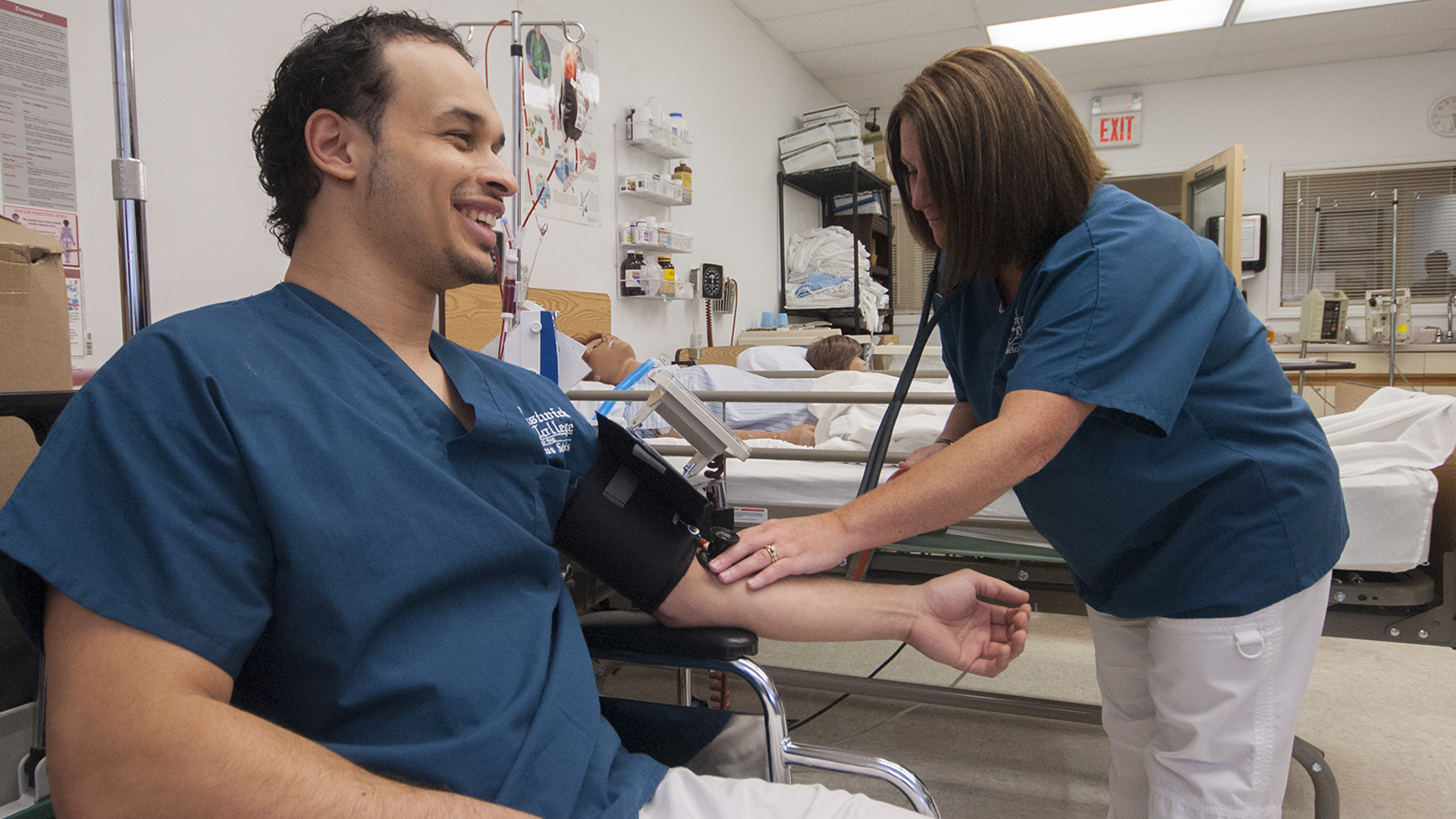
Patient Care Technician: the first step in your healthcare career
- Study close to home at our campuses in Ramsey, Hackensack, and Nutley
- Learn how to give basic and personal care to patients, check vital signs, and assist nurses
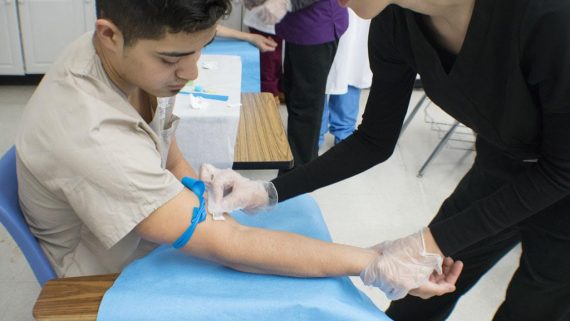
Upon completion of the six month Patient Care Tech certificate program, students are eligible to take the Patient Care Technician, ECGs, and Phlebotomy certifications. A Patient Care Technician primarily works under the supervision of a nurse or a physician. Their daily responsibilities include providing basic patient care, providing patient care supplies, wound care, collecting laboratory specimens, safety checks, monitoring vital signs, performing ECG’s and phlebotomy procedures. The Patient Care Technician can work in a vast majority of facilities such as: hospitals, nursing homes, home care agencies, rehabilitation centers, and dialysis centers. The projected growth is 11% each year until 2026.
FAQs: Patient Care Technician (PCT)
PCTs back up nurses at the bedside. They check vitals, help patients move, assist with bathing and hygiene, and handle simple clinical tasks under direction. You’ll see them on hospital floors, in nursing homes, and at outpatient clinics.
It depends on the employer, but most common are CPCT/A, CNA, and BLS. Those credentials show you can do the work safely and reliably.
Hospitals, long term care facilities, dialysis centers, rehab units, and home care agencies. The role fits both fast paced acute care and steady support for chronic conditions.
Yes. HIPAA for privacy, infection control protocols, and safety procedures set by the facility. PCTs work under licensed staff and stay within the skills they’ve been trained to use.
If eligible, students can use Pell Grants, Direct Loans, or local workforce funds to offset tuition for this high-demand support role.
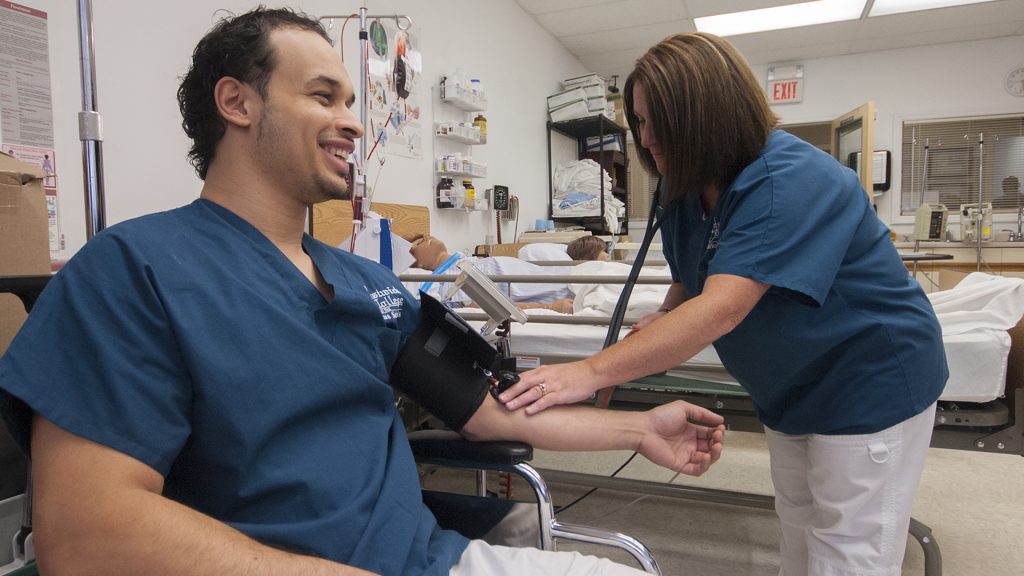
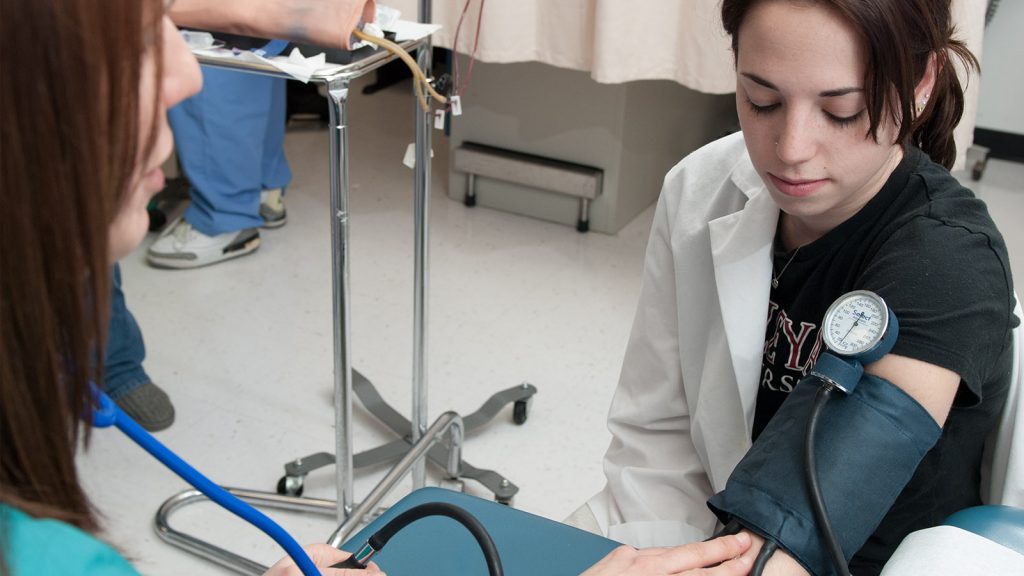
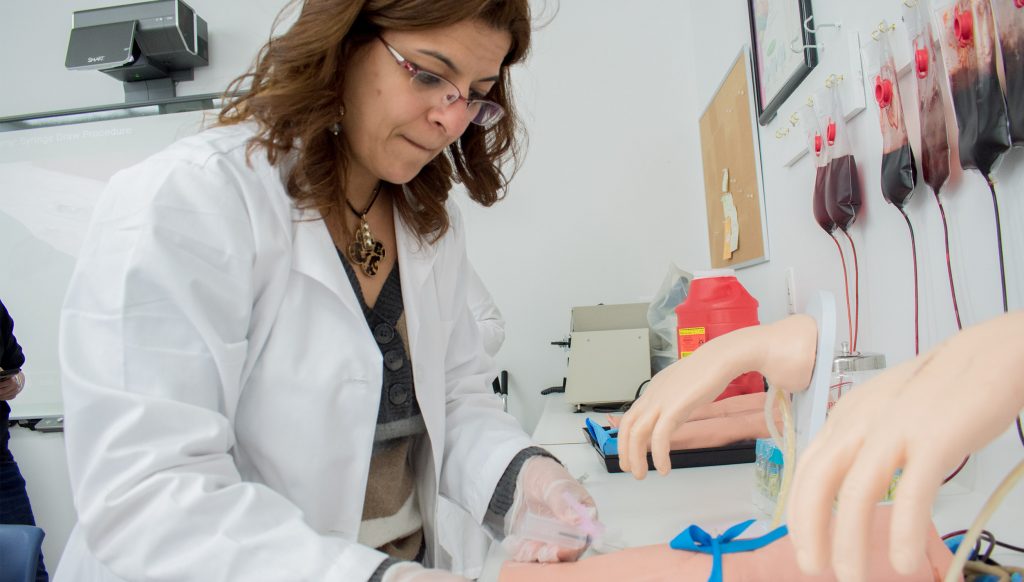
Program Gallery
Program Video
Related Articles
Medical Assisting: Initial Step in a Healthcare Career Path
Having a career in healthcare is one of the most exciting and in-demand occupations in ...
Read More
How to Have a Career in the Medical Field in a Year or Less
Contrary to popular belief, it is possible to get a degree without spending 2 to ...
Read More
Diploma Programs That Can Be Completed in Under 1 Year
Are you ready to go back to school and advance your future career, but also ...
Read More
Medical Assistant Training | Healthcare Career Tips
Medical assistants are one of the first people that will greet a patient, schedule appointments, ...
Read More
Medical Assistant Training: Getting into a Healthcare Career
A medical assistant plays an important role in the healthcare field. Healthcare professionals are in ...
Read More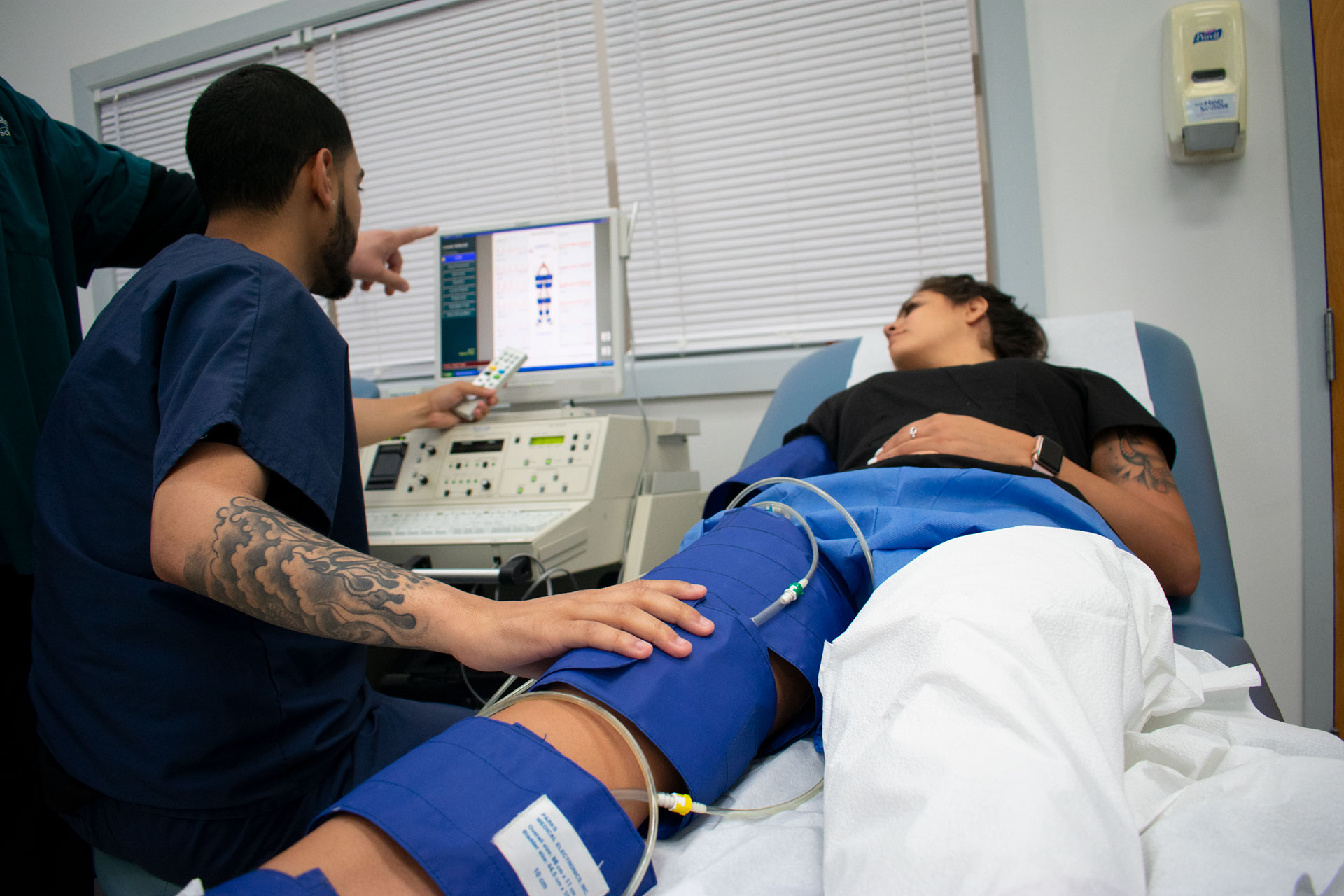
Eastwick College Graduates Prepare for Medical Fields
The medical field will see the highest growth rate for jobs, adding about 2.4 million ...
Read More
Eastwick College Offers Top Value
As student loan debt continues to mount in this country, young people are becoming increasingly ...
Read More
Careers a Diploma in Medical Assisting Can Prepare You For
Medical Assisting is one of the fastest growing fields of study in the United States ...
Read More