
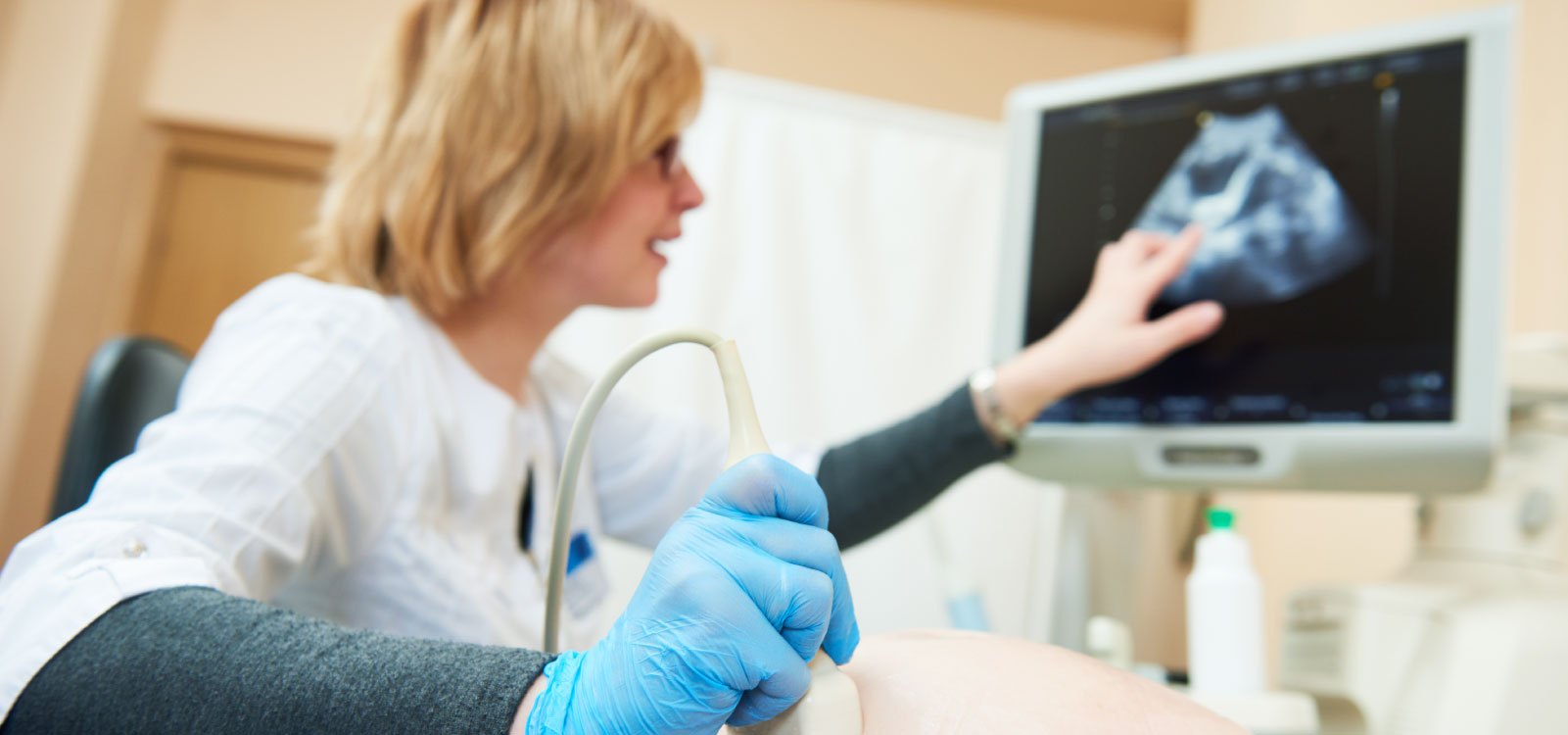
Gain access to some of the best career opportunities in sonography and OB/GYN
- Train for a variety of unique sonography specializations
- Pursue positions at prestigious Magnet® hospitals
- Study close to home at our campus in Ramsey
Through our diagnostic medical sonography bachelor’s degree, you’ll help patients learn answers to important questions like, “Is it a boy or a girl?” and record images for a wide range of other specializations including abdominal sonography, breast sonography, thyroid, and more. Thanks to a unique curriculum structure, students can choose to start with a 9 month medical assisting certificate program, and return at any point to transfer their previous credits into the associate and bachelor’s sonography degrees.
FAQs: OB/GYN Diagnostic Medical Sonography
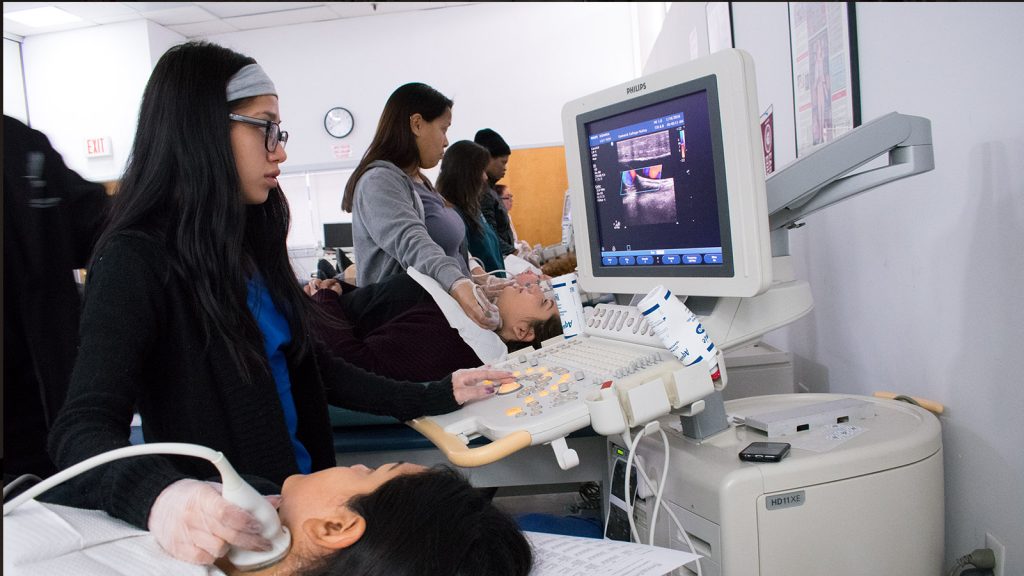
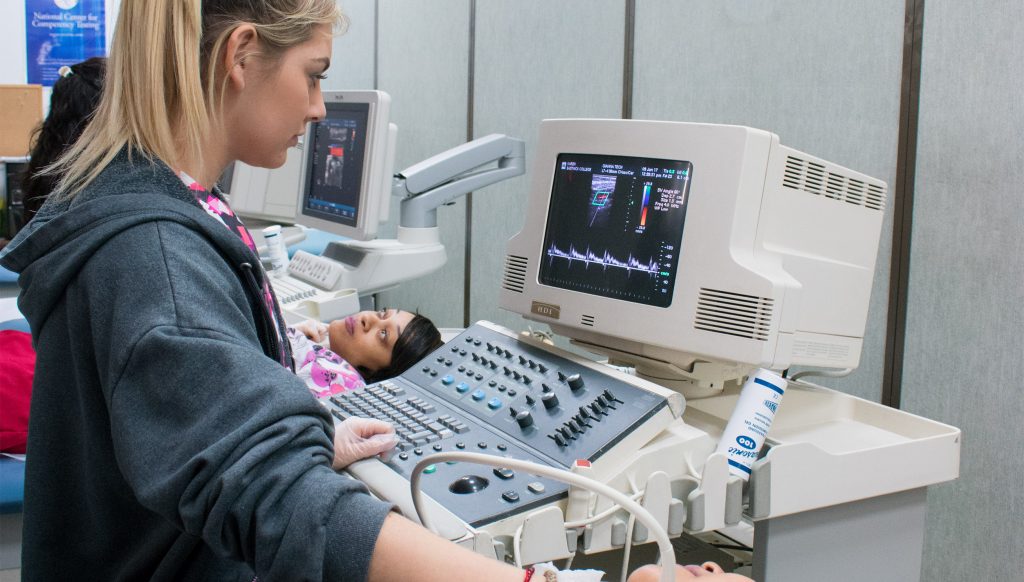
You will receive step-by-step instruction in women’s health imaging. The emphasis is on using ultrasonography to monitor baby growth, assess the pelvis, and provide prenatal care. It is a combination of getting to know the technology, properly positioning patients, and making sure each scan yields dependable, clear photos.
Most employers expect it. Graduates usually sit for ARDMS credentials, specifically the OB/GYN specialty, to show they meet clinical standards. Many hospitals list that certification as a condition of hire.
Busy hospitals, OB/GYN practices, outpatient diagnostic centers, and maternal-fetal medicine clinics. Some techs join mobile services or research teams when they want a different pace.
Yes. You follow equipment safety protocols, document correctly under HIPAA, and use techniques that keep exposure as low as reasonably achievable. The FDA oversees device safety, and accrediting groups set expectations for image quality.
If the program is accredited, eligible students can apply for Pell Grants and Direct Loans. Many regions also offer workforce funds for high-need allied health training.
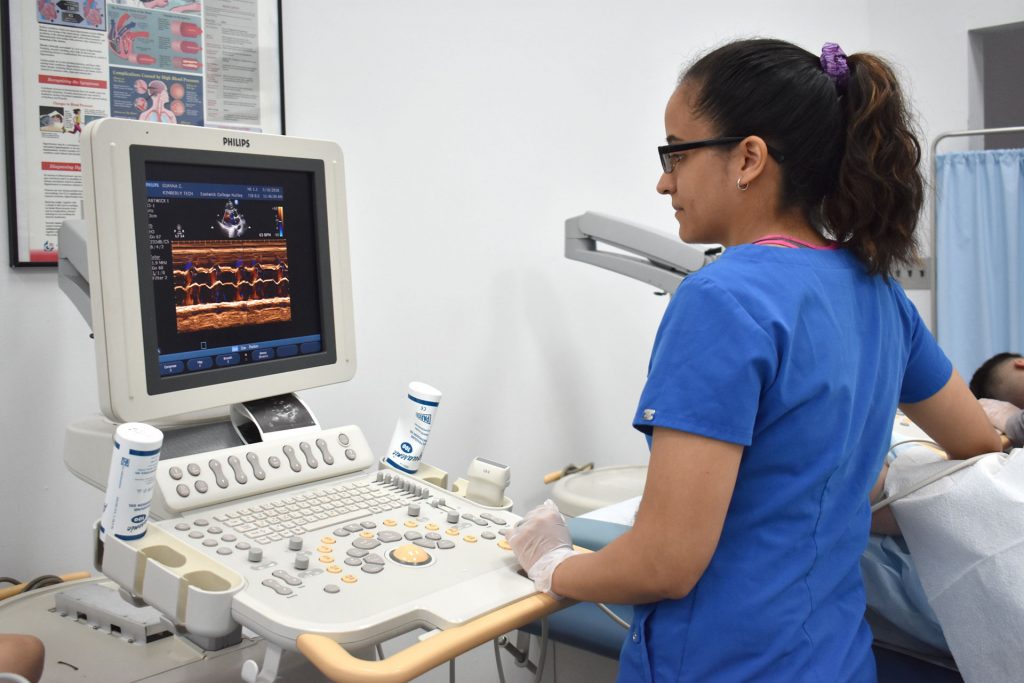
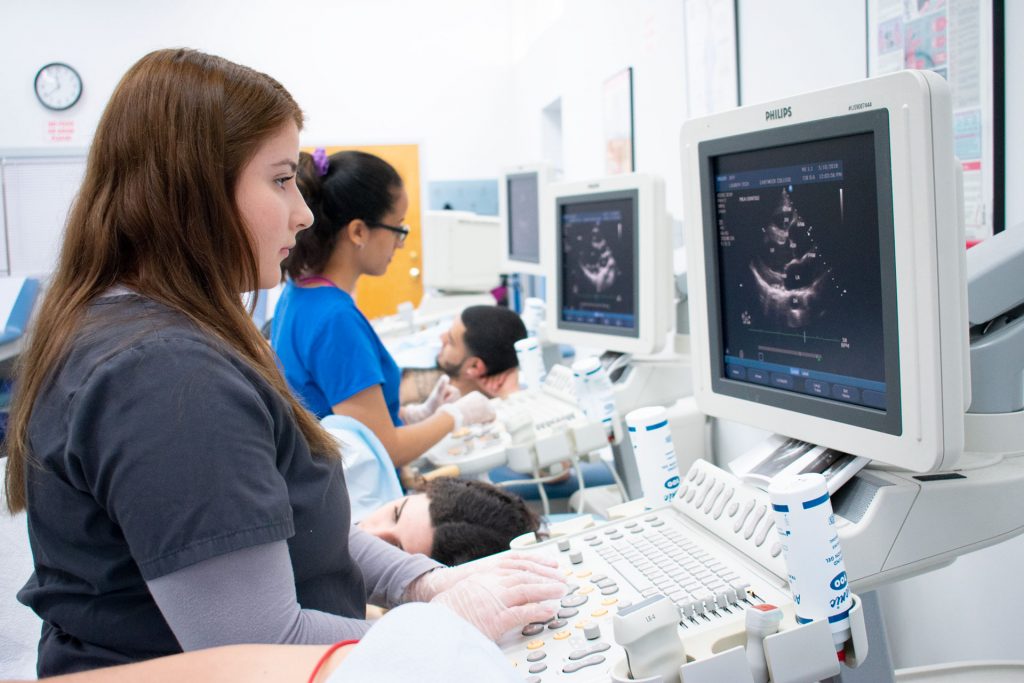
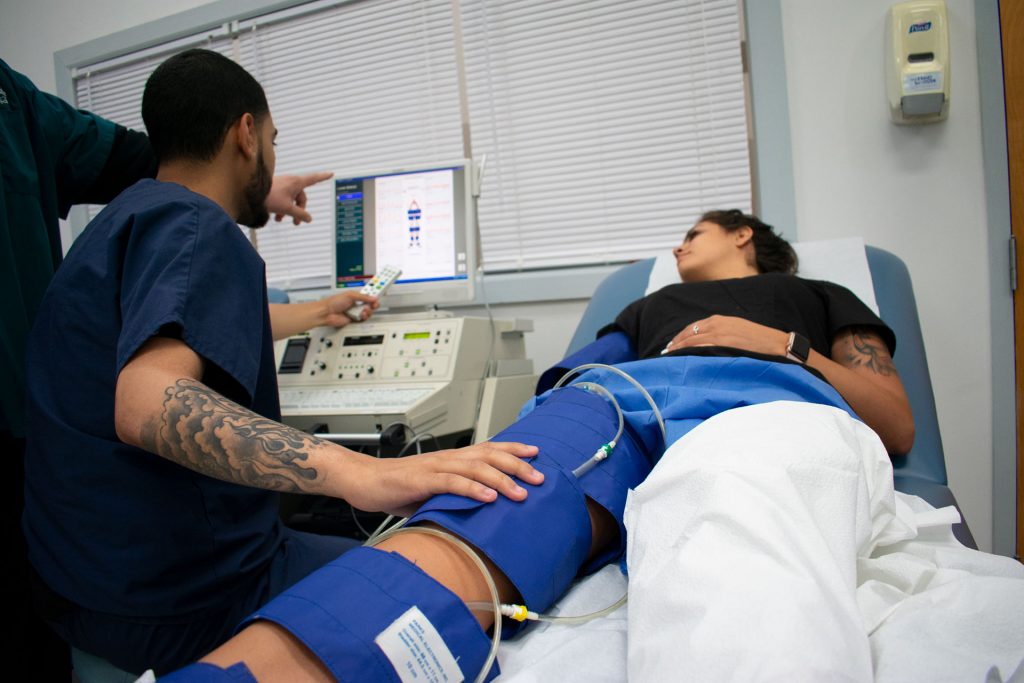
Program Gallery
Program Video
Related Articles
Your Future in Diagnostic Cardiovascular Sonography Starts Here
If you’re looking for a healthcare career that makes a difference without the long years ...
Read More
Start a Rewarding Career in Sonography at Eastwick College
Imagine a job where you take pictures that help doctors make important diagnoses in busy ...
Read More
Transform Your Future: Discover the Possibilities at Eastwick College
Are you ready to take the next step towards a brighter future? Eastwick College in ...
Read More
The Heartbeat of Healthcare: A Look at Diagnostic Cardiovascular Sonography Careers
A Thriving Field Diagnostic Cardiovascular Sonography (DCS) is a specialized healthcare profession that uses ultrasound ...
Read More
Surgical Technology vs. Diagnostic Cardiovascular Sonography
When considering versatile careers, jobs in the medical field are usually at the top of ...
Read More
How To Become A Diagnostic Cardiovascular Sonographer
The heart is one of the most interesting and vital parts of the human body. ...
Read More
Diagnostic Medical Sonography Programs – Which is Best for Me?
If you are thinking of joining a Diagnostic Medical Sonography Program but are not sure ...
Read More
How a Technical School Can Provide Better Value Than A 4-Year
Though the traditional path after high school is to enroll in a four-year university to ...
Read More