
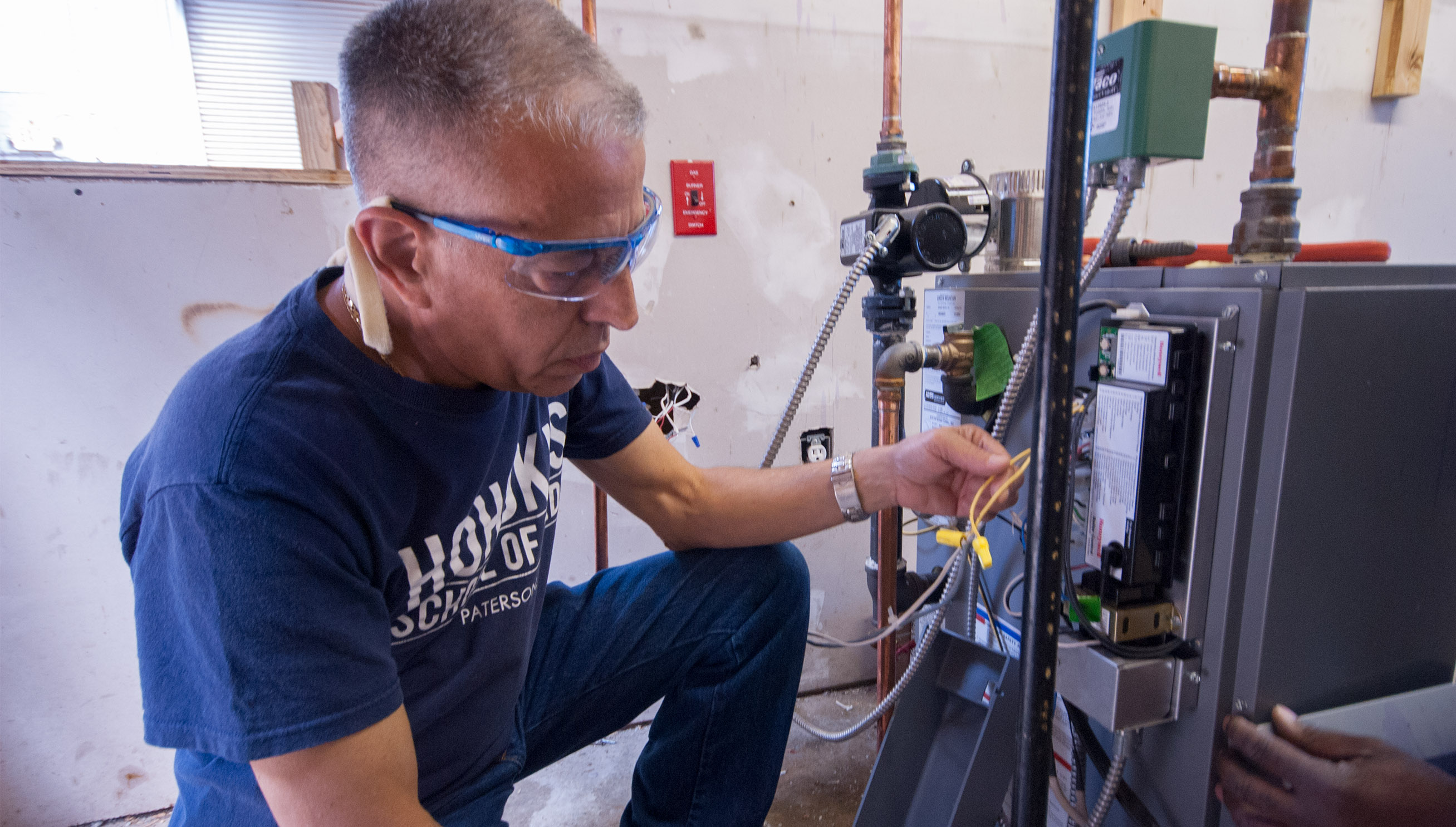
Start a unique and rewarding career in heating, ventilation, air conditioning and refrigeration (HVACR)
- Study close to home at our campus in Nutley
- Graduates of our HVACR program meet all requirements for Universal EPA and R-410A certifications and are recognized by NJPHCC as eligible for second-year apprentice status.
HVACR, refers to the climate control of residential and commercial buildings, and refrigeration systems that control humidity, temperature and the general comfort of the occupants.
Learn how to install, maintain, and repair residential and light commercial HVACR systems, with training in the electrical, electronic, and mechanical components.
According to the Department of Labor, there are excellent career opportunities in the field, and employment of HVACR technicians and installers is projected to increase 14 percent by 2024.
While we strive to provide students with the best tools to prepare for their careers, we cannot and do not guarantee employment.
Bureau of Labor Statistics, U.S. Department of Labor, Occupational Employment Statistics, [05/01/11] [www.bls.gov/oes/].
Credentialing organization may change requirements without notice.
Frequently asked questions about HVACR
What is HVACR?
HVAC is a varied field. Work can range from installation of complete heating and cooling systems to repair and service of this equipment. If a person likes to work at the same building there are jobs that can meet that need. In other fields of the industry, such as service, the technician’s work location can change every day.
What do students learn in the HVACR program?
Students learn basic electricity, piping and ductwork sizing and installation, air conditioning service and installation, furnace and boiler service and installation. They are taught to troubleshoot and diagnose malfunctions in the appliances.
What type of places or positions do HVACR students work in after graduation?
Students can attain positions with heating and air conditioning installation and service companies. Our students have been hired by PSE&G in various utility fields. Students have also secured employment at companies such as. A&E, which is the appliance service division for Sears, and The Port Authority of NY and NJ.
What certifications and affiliations are offered through the HVACR program?
Our students can receive certifications in: EPA 608, EPA 410 A, refrigerant handling certifications. HVAC Excellence employment ready certification in; Electricity, Gas Heat, Air Condition Service, Air Conditioning and Charging Procedures.
FAQs: HVACR Technology
Heating, cooling, and refrigeration from the ground up. You’ll work through electricity for HVAC, refrigeration cycles, brazing and piping, airflow and ductwork, and a lot of troubleshooting. The goal is to wire it, charge it, test it, and make it run right.
Yes. Anyone handling refrigerants needs EPA Section 608 certification. You learn proper recovery, charging, and leak practices so you can work legally and safely.
Entry roles include HVACR technician, installer, maintenance mechanic, or service troubleshooter. Those jobs exist in homes, commercial buildings, plants, and facilities that run year round.
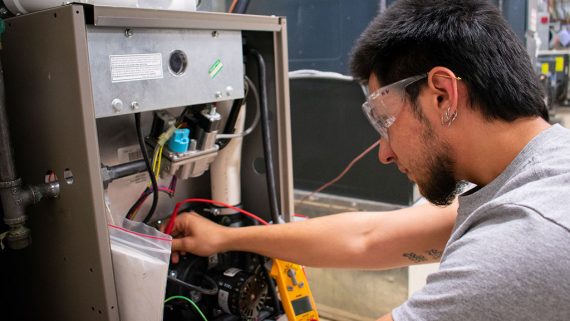
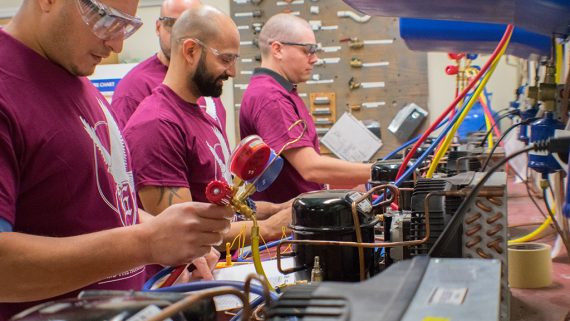
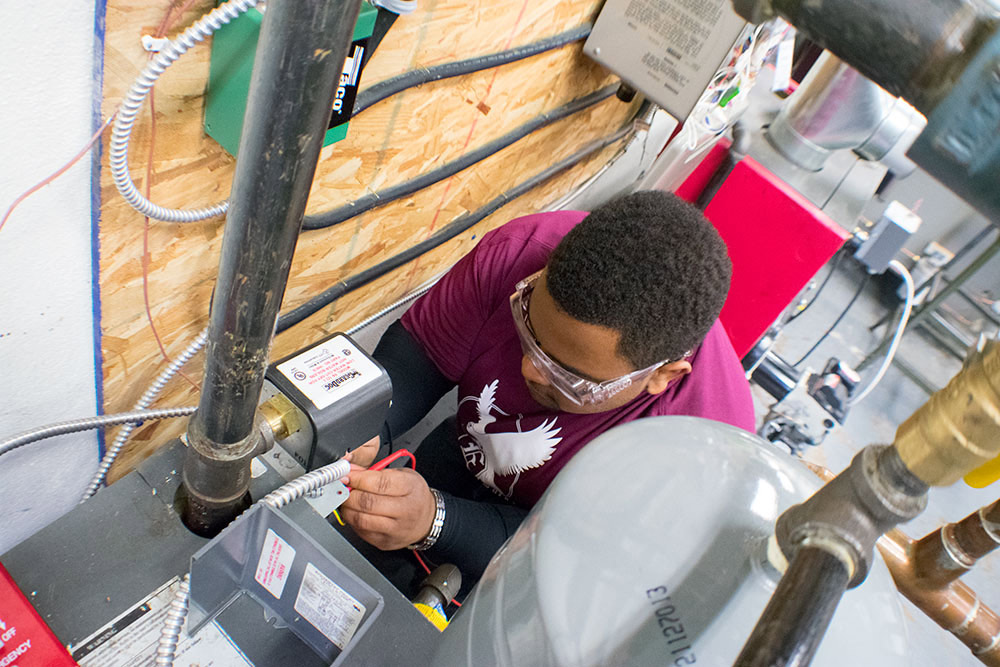
Absolutely. You’ll be in the lab with gauges, meters, recovery machines, and real units. Expect to diagnose faults, fix them, pull a vacuum, and verify performance before completing the job..
Yes. Students in accredited programs can qualify for Pell Grants, subsidized loans, and sometimes workforce grants aimed at the skilled trades. Your eligibility is based on FAFSA results and your academic status.
Program Gallery

Program Video
Related Articles
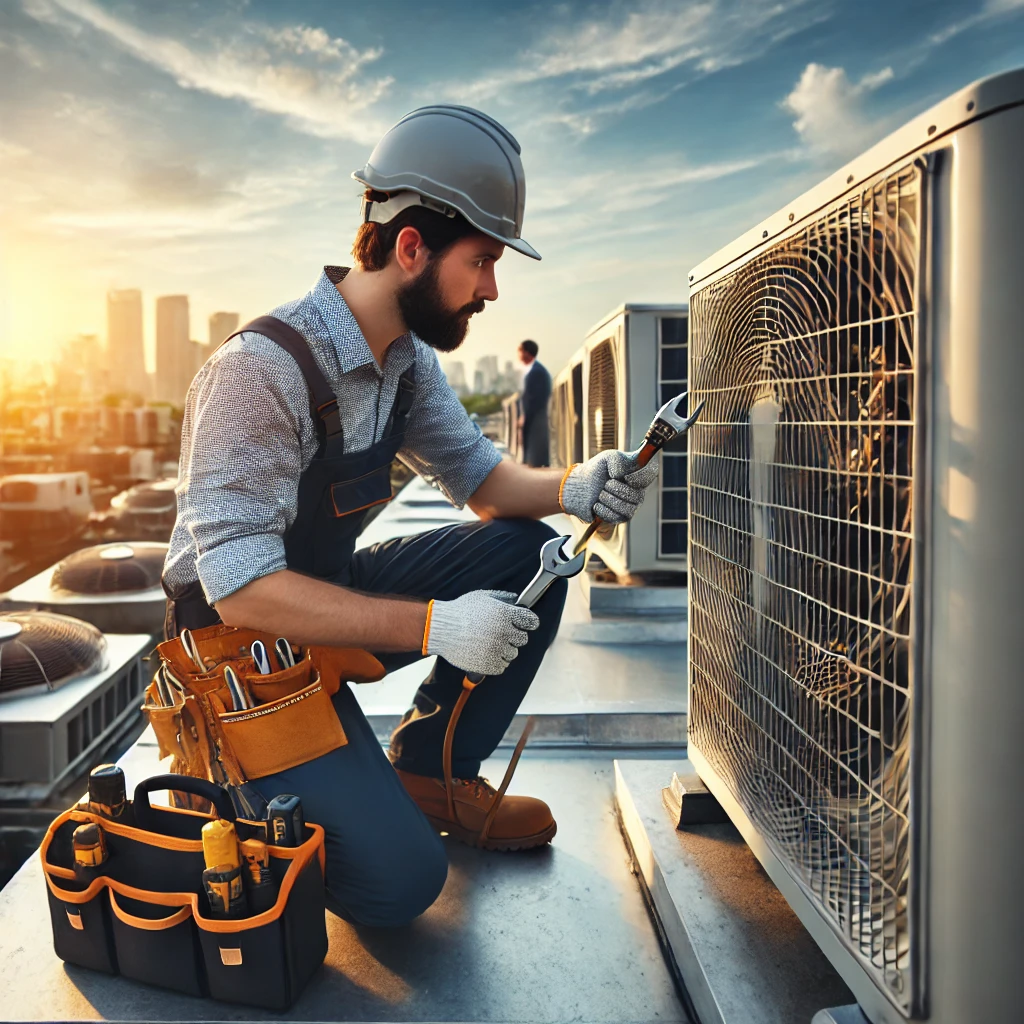
Cool Careers: Your Future with HVACR Skills from Eastwick College
In today’s job market, technical skills are in high demand, and HVACR (Heating, Ventilation, Air ...
Read More
Transform Your Future: Discover the Possibilities at Eastwick College
Are you ready to take the next step towards a brighter future? Eastwick College in ...
Read More
Promising Career Opportunities with an HVAC Degree
HVAC, (short for heating, ventilation, and air conditioning) is an essential profession that deals with ...
Read More
The Endless Potential with a Trade Career
Having a trade is valuable not only as a career option but also in everyday ...
Read More
Importance of Trades: A Career in HVAC
Eastwick College offers both 12 Month (Day Classes) and 16 Month (Evening Classes) programs for ...
Read More
The Value of Apprenticeships in Trades
Beginning an apprenticeship for a trade like plumbing, electrical work, or HVAC can set you ...
Read More
Refrigeration, Electrical and HVAC School | Where to Start
As an HVACR technician, your days will be busy installing, maintaining and repairing both heating ...
Read More
Why Should You Get HVACR Certified?
HVACR technicians are in demand, and this interesting field has provided thousands of technicians in ...
Read More