
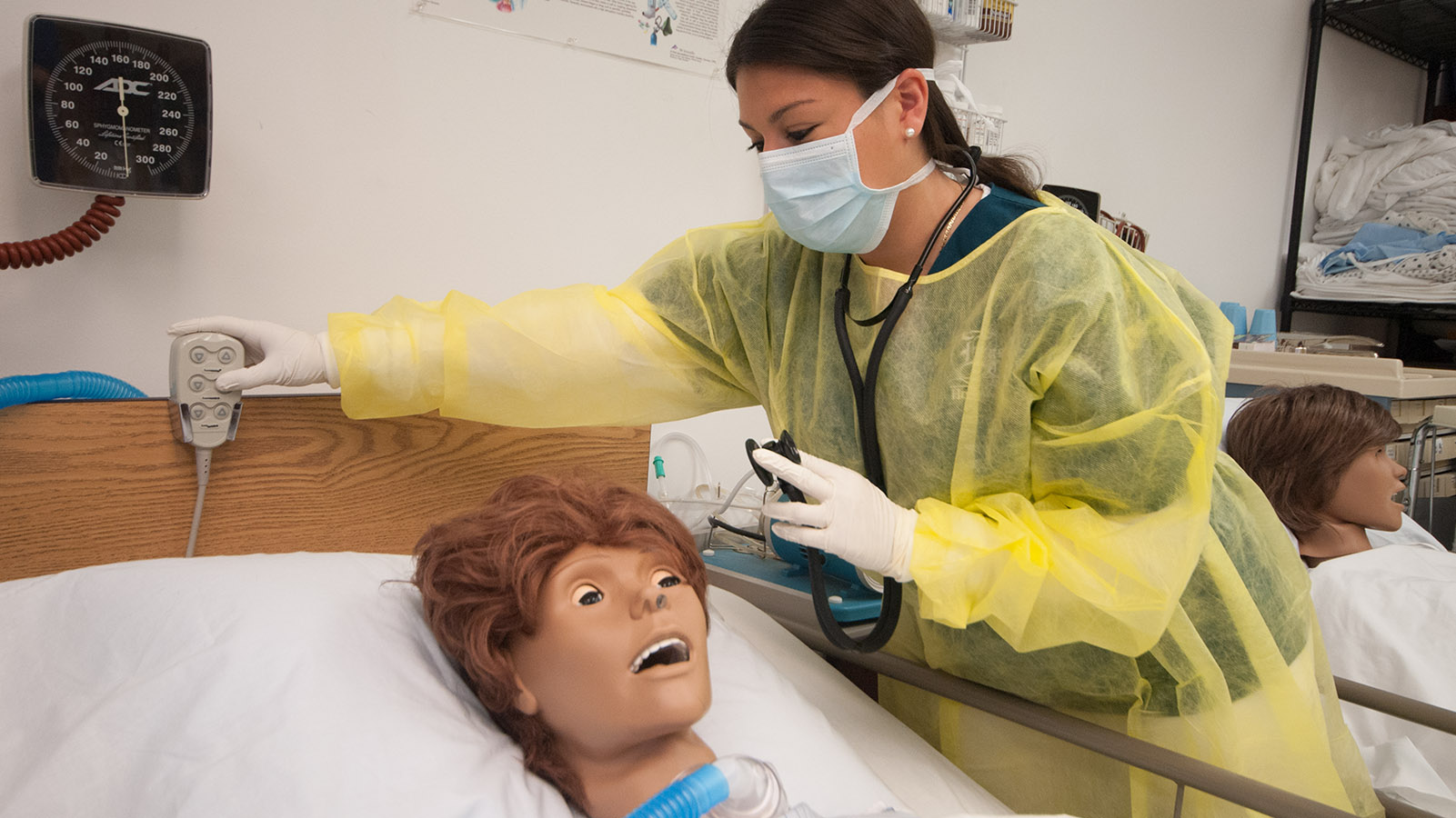
Prepare for a wide range of careers in healthcare through this unique degree
Upon the completion of the Associate of Applied Science in Health Science, students are eligible to take the Pharmacy Technician Certification through the PTCB. Pharmacy technicians assist pharmacists dispense prescription medication to customers or health professionals. Graduates work in pharmacies, hospitals, doctor’s offices, urgent care centers, nursing homes, medical clinics, and diagnostic laboratories. The projected growth is 18% from 2020-2030 with 104,400 job openings each year.
FAQs: Health Science with Pharmacy Technician
Two tracks at once. You build a health science base with medical terminology, basic anatomy, and how the major body systems work. At the same time you learn day‑to‑day pharmacy skills: medication preparation, dosage math, inventory and ordering, pharmacy law, and how to assist a licensed pharmacist at the counter and in the workflow.
It depends on the state. Many require it, and plenty of employers prefer it even when the state doesn’t. The common path is the Certified Pharmacy Technician credential, the CPhT from PTCB. It makes hiring easier and keeps you aligned with regulations.
Most grads start in retail pharmacies or hospital pharmacies and others in mail-order or long-term care settings. Some continue their education in health sciences after a year or two, moving toward advanced roles once they know which area they want to pursue.
Yes. Controlled substances fall under DEA and FDA rules, so handling, logging, and storage have strict guidelines.. HIPAA also applies, which means protecting patient information at the register, in the fill area, and in every system you work with..
Students who qualify can apply for Pell Grants and Direct Loans. In some regions, workforce funds help underwrite healthcare training where there’s a shortage, pharmacy support included. The school’s aid office can map out your exact options.
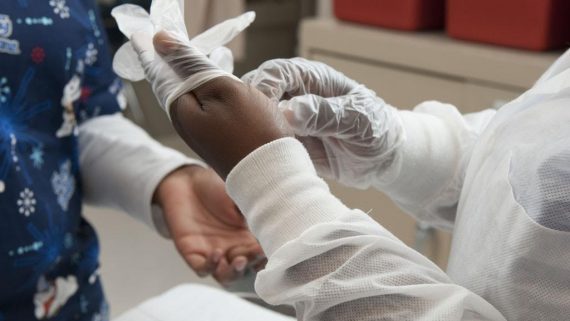
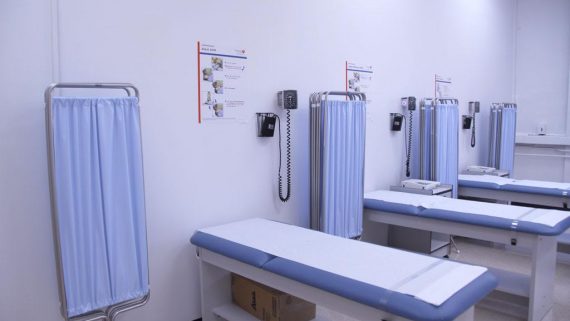
Program Gallery
Program Video
Related Articles
Your Guide to a Career in Health Information Technology
When most people think about careers in healthcare, they picture doctors in white coats or ...
Read More
Empowering Futures: Eastwick College’s Health Science with Pharmacy Technician Degree Program
Pharmacy technicians play a critical role in healthcare–supporting pharmacists while ensuring patients receive the medications ...
Read More
Why the Need for Surgeons and Surgical Technologists is Rising
If you are interested in working alongside a skilled team of healthcare professionals who assist ...
Read More
How to Transform Your IT Knowledge into a Healthcare Career
If you have a passion for healthcare, but are squeamish at the sight of blood, ...
Read More
Health Information Technology Jobs in a Digital Age
A health information technology job can be very rewarding. As a health information technician, you ...
Read More
Eastwick College Founder Honored for Dedication to Community Service
Thomas Eastwick, president and founder of Eastwick College was recognized in June 2017 for his ...
Read More
Health Information Technology: 4 Career Path Tips
As it’s a relatively new and growing field, not everyone is familiar with the term ...
Read More