
Start a unique and rewarding career in health information technology
- Study close to home at our campus in Nutley
- Train for the fast-growing electronic medical records management field
- Increase your career opportunities with an associate degree
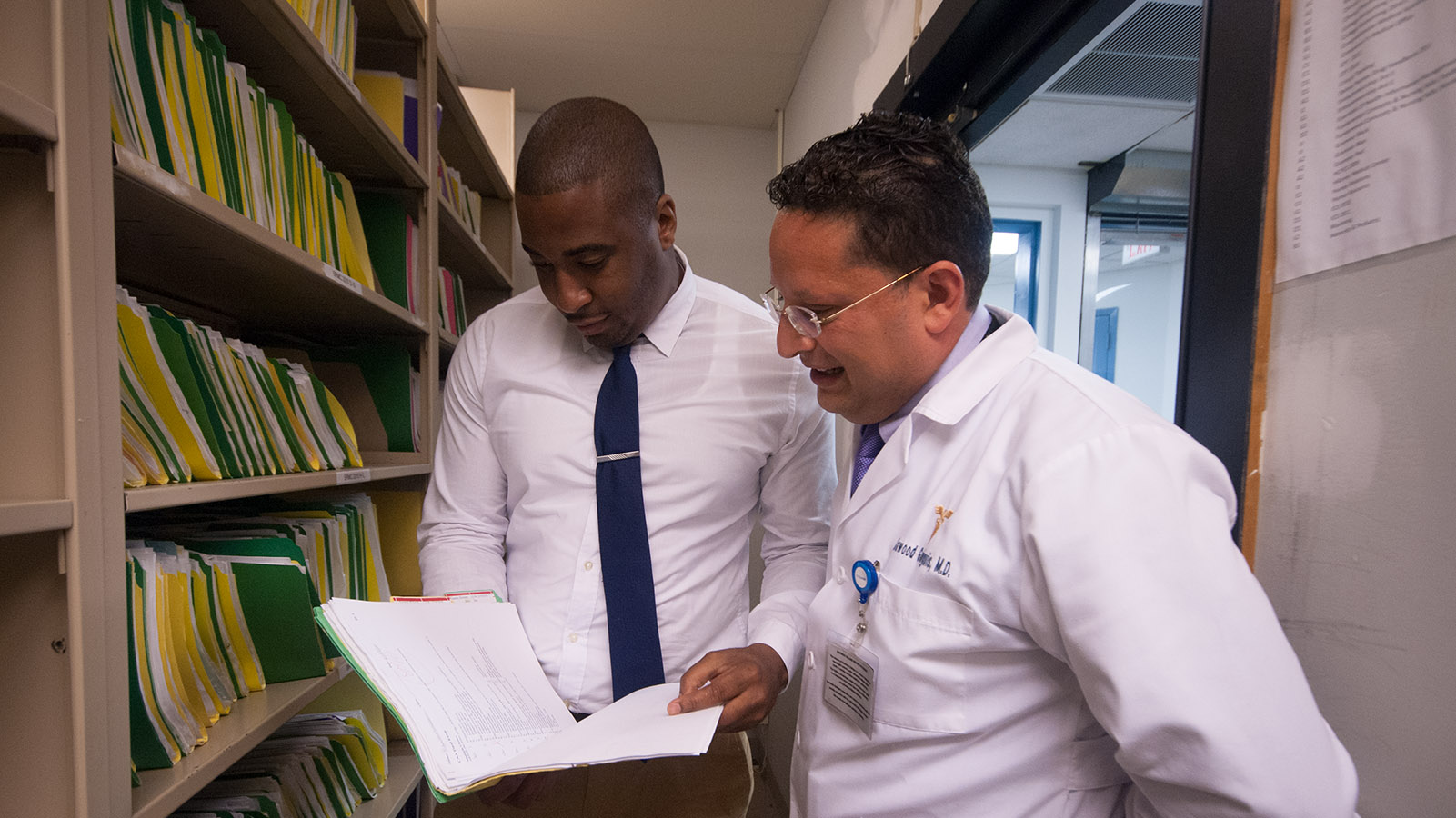
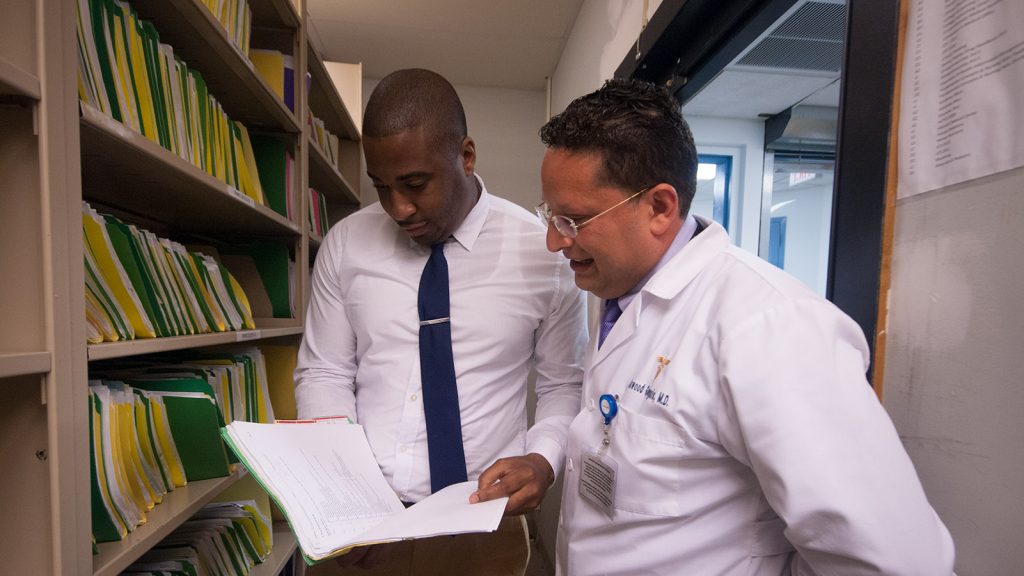
Healthcare providers maintain health records for every patient that they meet. These medical records include information provided by patients (such as their symptoms and medical histories), observations made by healthcare providers and any treatments provided. Health information technologists organize and evaluate these records to ensure they are complete and accurate. They also communicate with physicians and other healthcare professionals to clarify diagnoses or to obtain additional information regarding the patient. As a student in the health information technology (HIT) concentration at Eastwick College, you will train with up-to-date medical records technology used by many healthcare organizations, insurance companies, and government. By working in Eastwick’s specialized hands-on learning environment, you can develop the confidence to be prepared for today’s challenging workplace. The demand for employees trained in HIT has grown significantly as government and insurance agencies increasingly rely on electronic records databases to organize patient information and determine payment for treatments. While we strive to provide students with the best tools to prepare for their careers, we cannot and do not guarantee employment.
FAQs: Health Information Technology
You learn how health data is created, coded, stored, and shared. That means medical coding, EHR systems, data quality, compliance, and the basics of healthcare IT. Expect a steady focus on privacy rules and how to keep records consistent across clinics and hospitals.
Yes. HIPAA sets the privacy and security ground rules. HHS and the Office of the National Coordinator publish standards and guidance so data stays accurate, secure, and available when clinicians need it.
Common roles include medical records technician, coding specialist, EHR analyst, and compliance coordinator. You’ll see those in hospitals, outpatient centers, insurance companies, and public health offices.
Not always, but credentials help. RHIT and CCA are well known and often requested in job listings. They verify that you can code accurately and manage records to a professional standard.
Pell Grants and Direct Loans are possible for eligible students. Some states also fund health IT and informatics training because employers need people who can run EHRs and keep data clean. Starting with the FAFSA is the quickest way to see if you qualify.
Program Gallery

Program Video
Related Articles
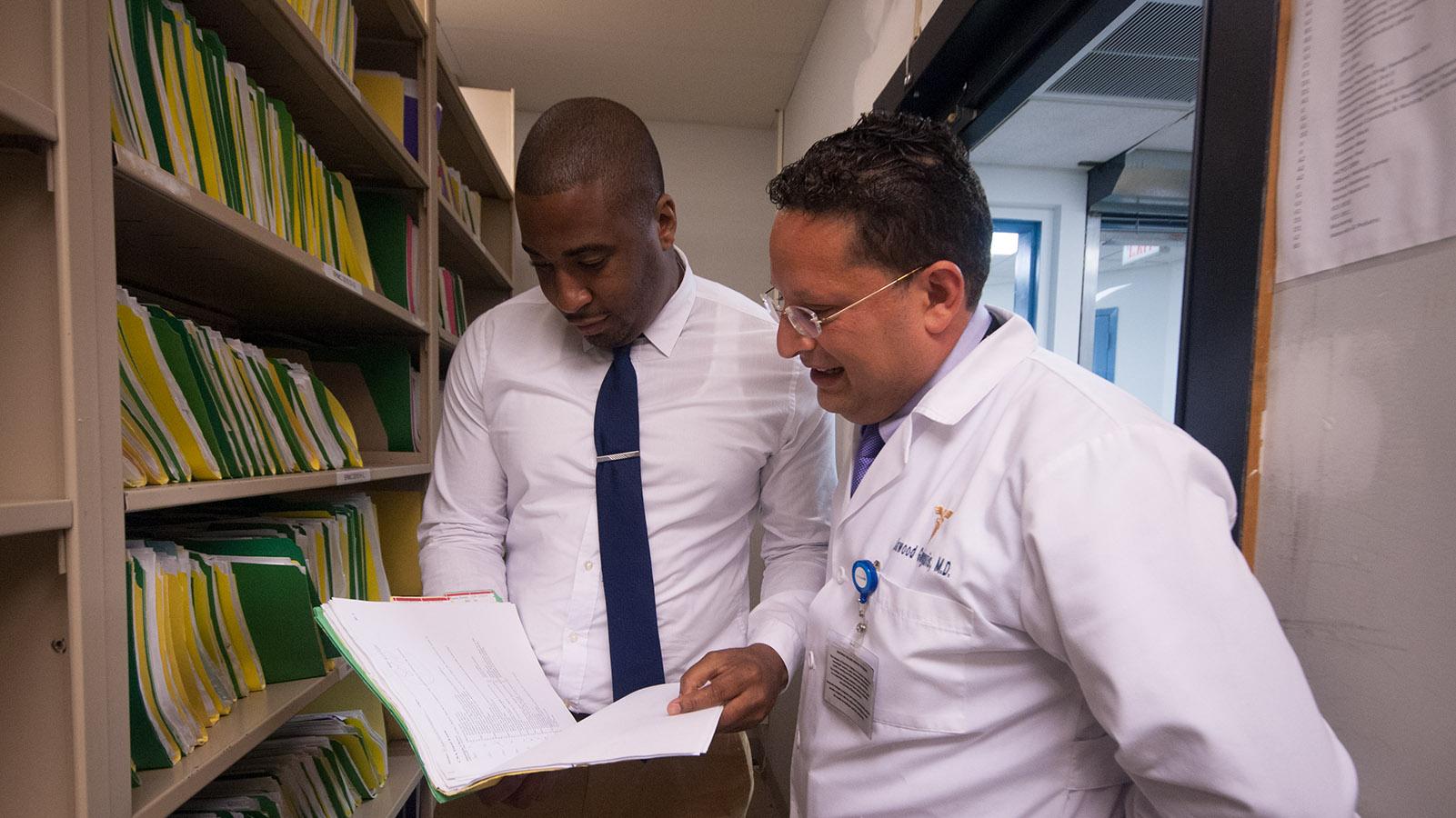
Your Guide to a Career in Health Information Technology
When most people think about careers in healthcare, they picture doctors in white coats or ...
Read More
Empowering Futures: Eastwick College’s Health Science with Pharmacy Technician Degree Program
Pharmacy technicians play a critical role in healthcare–supporting pharmacists while ensuring patients receive the medications ...
Read More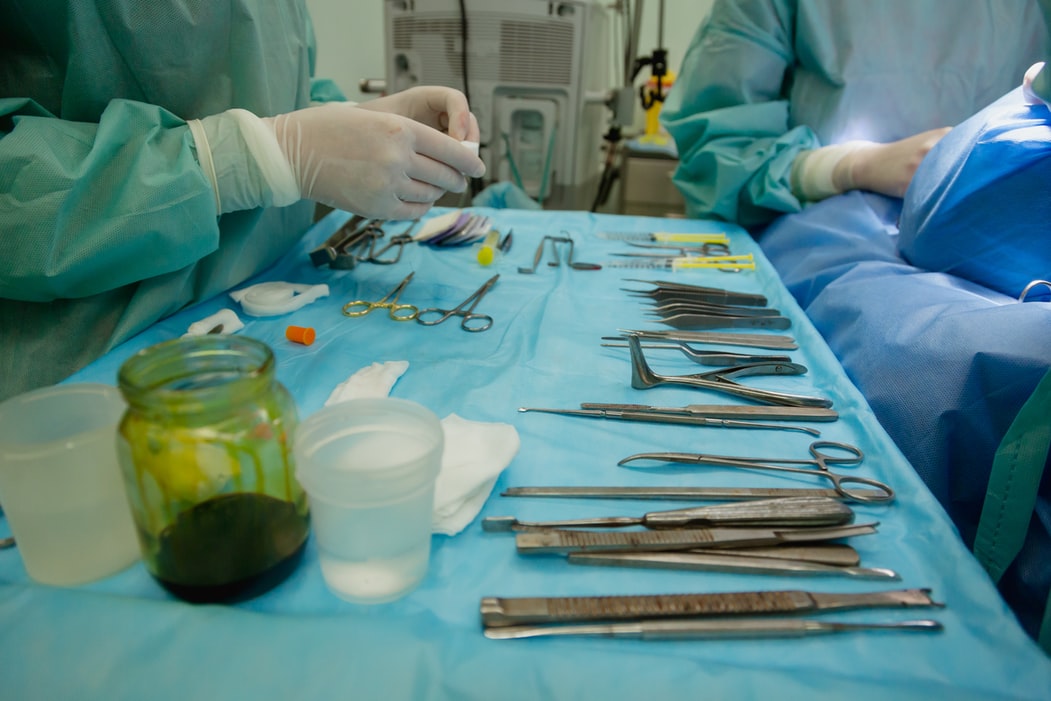
Why the Need for Surgeons and Surgical Technologists is Rising
If you are interested in working alongside a skilled team of healthcare professionals who assist ...
Read More
How to Transform Your IT Knowledge into a Healthcare Career
If you have a passion for healthcare, but are squeamish at the sight of blood, ...
Read More
Health Information Technology Jobs in a Digital Age
A health information technology job can be very rewarding. As a health information technician, you ...
Read More
Eastwick College Founder Honored for Dedication to Community Service
Thomas Eastwick, president and founder of Eastwick College was recognized in June 2017 for his ...
Read More
Health Information Technology: 4 Career Path Tips
As it’s a relatively new and growing field, not everyone is familiar with the term ...
Read More