
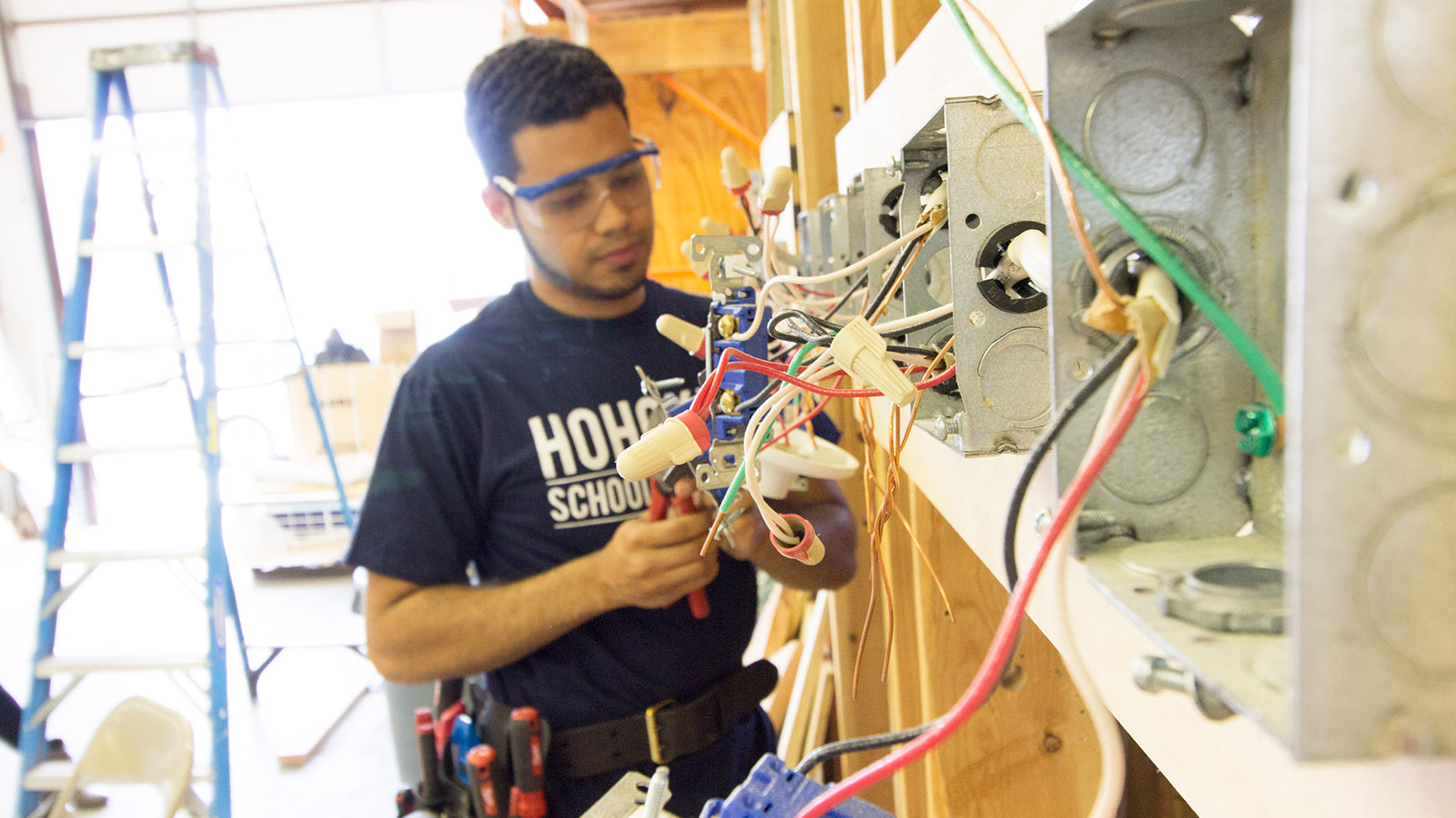
A unique electrician apprenticeship path of study
- Study close to home at our campus in Paterson
- Graduates are prepared to enter an apprenticeship with the NJIECA, and upon completion of their first year apprenticeship exam will be awarded second-year apprentice status.
Electricians install and maintain electrical wiring systems, supplying light, power, air-conditioning, and refrigeration for private and commercial buildings. As homes and businesses become increasingly wired to meet the growing technological needs, electricians will be in greater demand to update and maintain older electrical systems and equipment. The emerging alternative energy industry will also provide increased career opportunities in the field.
Prepare for a career as an electrician through technical and practical instruction on residential, commercial, and industrial electrical systems, including proper grounding, GFCIs, and maintenance and testing of wiring.
While we strive to provide students with the best tools to prepare for their careers, we cannot and do not guarantee employment.
The Occupational Information Network (O*Net), U.S. Department of Labor/Employment and Training Administration, [03/01/22] [www.onetonline.org/].
Credentialing organizations may change requirements without notice.
Frequently asked questions about Electrician Apprenticeship
What is an Electrician?
If you become an electrician you will be able to grow professionally and personally. The career is life-long and so will the learning in order to keep up with new technologies. An electrician can find work anywhere. The average pay nationally is over $60,000 and there are many job options.
What do students learn for Electrician Apprenticeship?
- practical skills.
- the ability to follow technical drawings, building plans, and wiring diagrams.
- the ability to work carefully, methodically, and safely.
- planning and organizational skills.
- problem-solving skills.
What type of places or positions do Electrician students work in after graduation?
Since just about any business or organization requires someone to install, repair, and maintain their electrical system, electricians work in a wide range of places.
What certifications and affiliations are offered through the Electrician Apprenticeship program?
Becoming a licensed electrician or even an apprenticeship permits access to becoming a Union member.
What kind of person would make a good Electrician?
Someone who is dependable, honest, and has endurance along with patience and self-control.
Other Information
Students should be aware that in some careers overtime, working holidays, and working in inclement weather will be a requirement of employment.
FAQs: Electrician Apprenticeship
Both classroom time and jobsite time. In class you cover wiring methods, the National Electrical Code, safety, motors and controls, circuits, and how to read plans. Out in the field you pull cable, set boxes, terminate devices, and see how the book rules play out in real buildings, residential and commercial.
They are. Many programs register with the U.S. Department of Labor so there is a standard for hours and training. States also set their own licensing rules, so your board may require specific coursework or supervised hours before you can test.
Most people start as an electrical helper or junior installer. With logged hours and the right exam, you move to journeyman. Keep building experience and you can reach master status and lead projects in construction, plant maintenance, or utility work.
Yes. Expect OSHA topics like electrical safe work practices, fall protection, lockout and tagout, and hazard spotting. It is not just to pass a test. You use that knowledge on ladders, in panels, and around live gear every day.
Often, yes. Eligible students can apply for federal grants and loans. Some areas also have workforce funds or union partnerships that help cover tuition, books, or tools when the apprenticeship ties into local hiring needs.
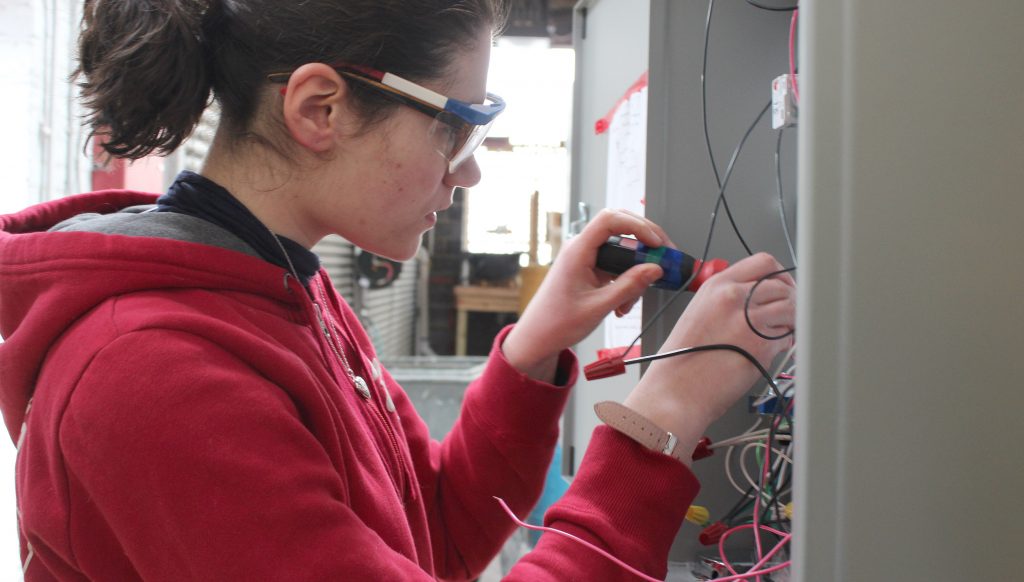
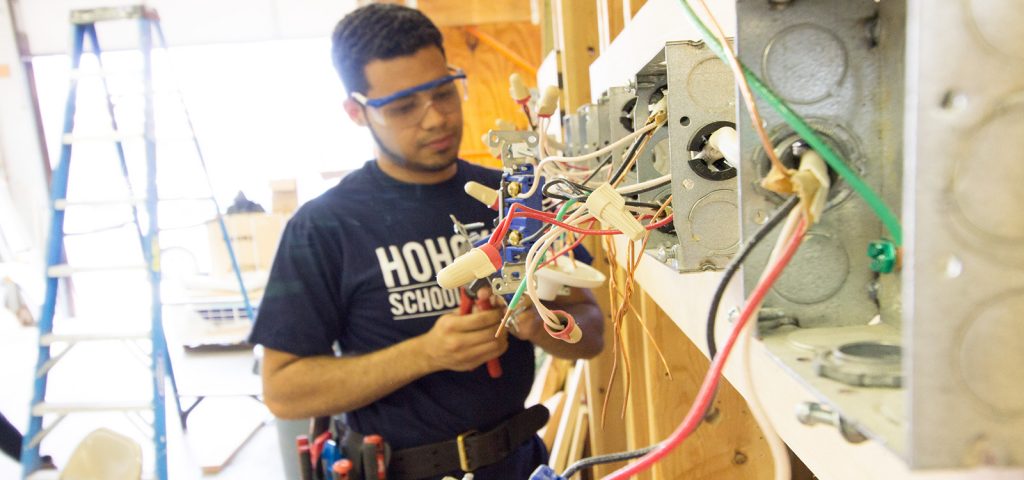
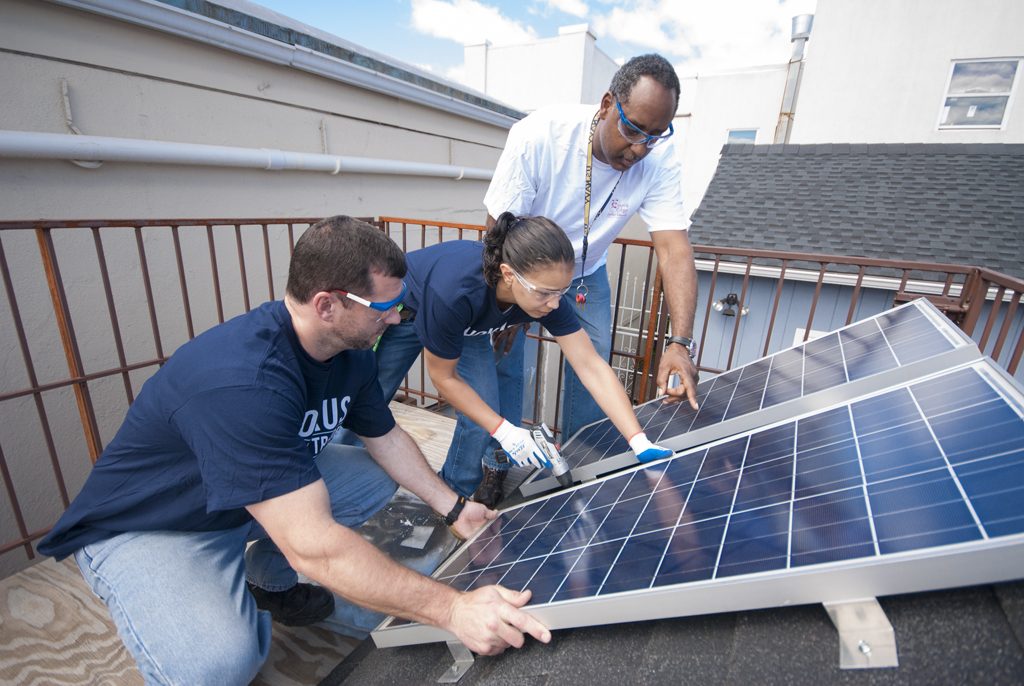
Program Gallery
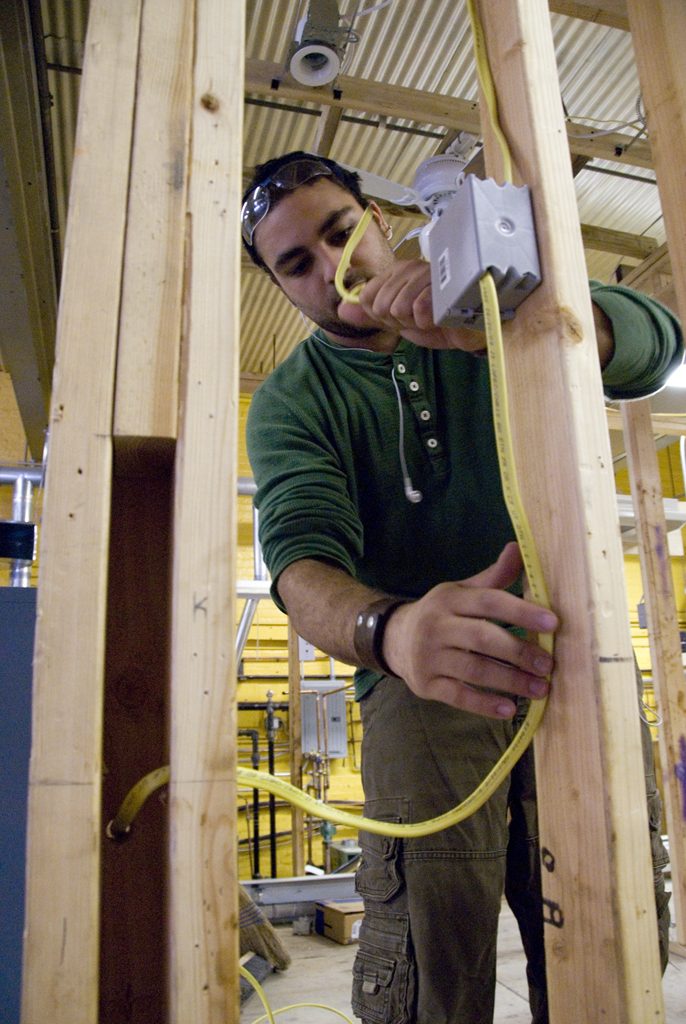
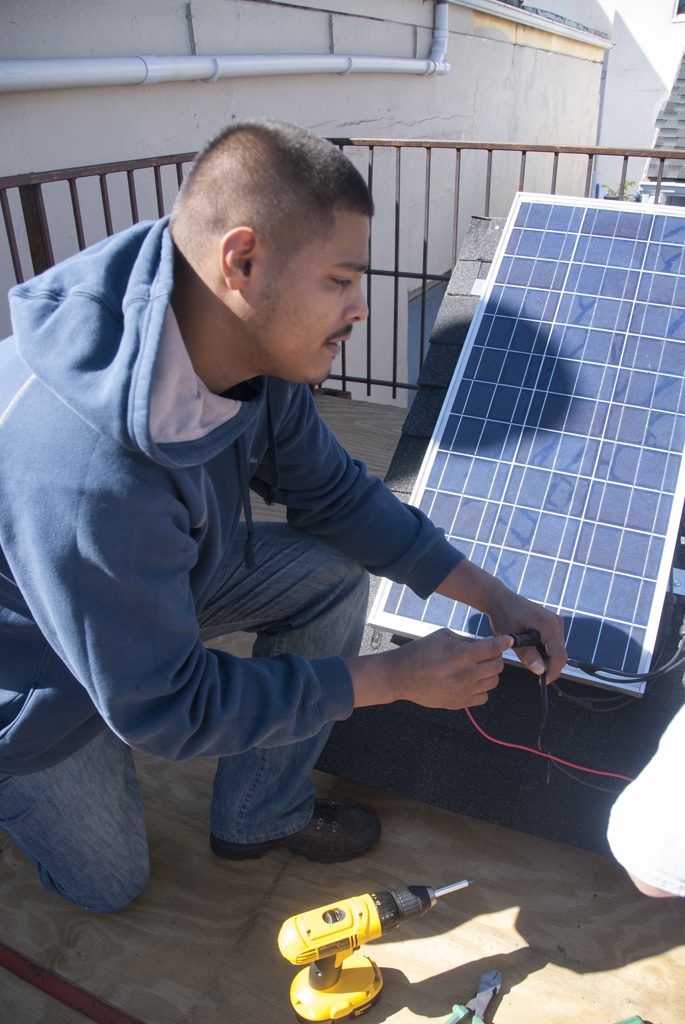
Program Video
Related Articles
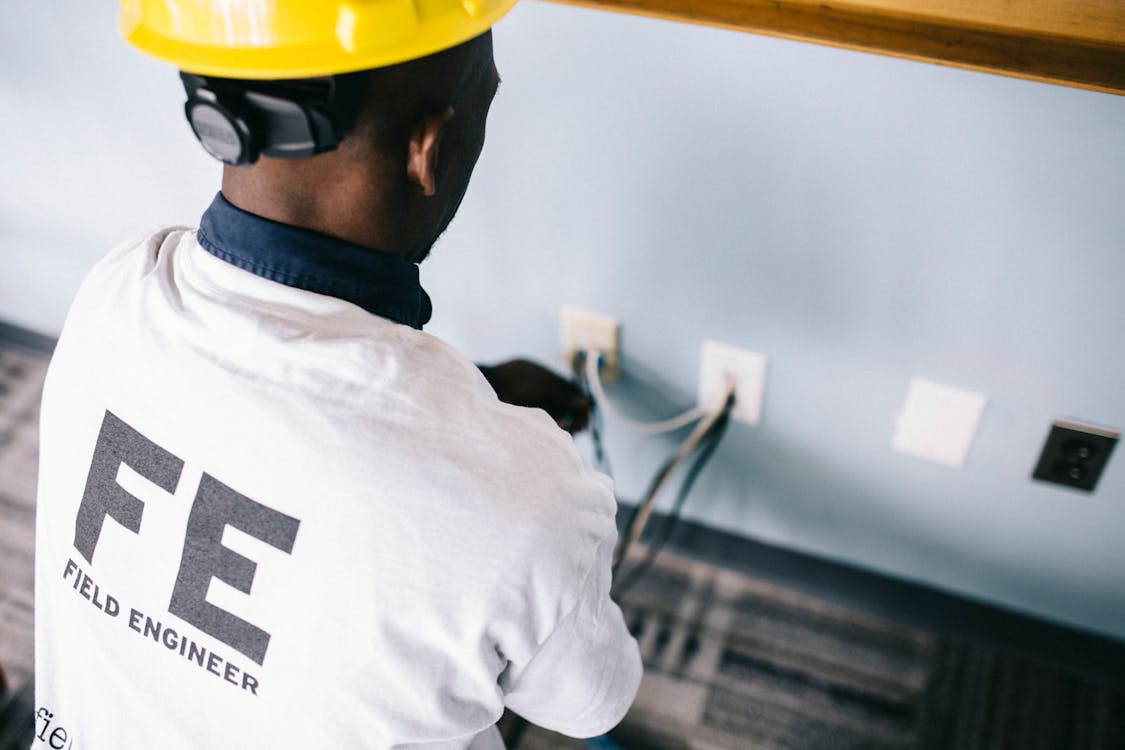
Electrician Apprenticeship Training That Builds Real Skills
Electric work is detail work. Measure twice, cut once, test before you touch. An Electrician ...
Read More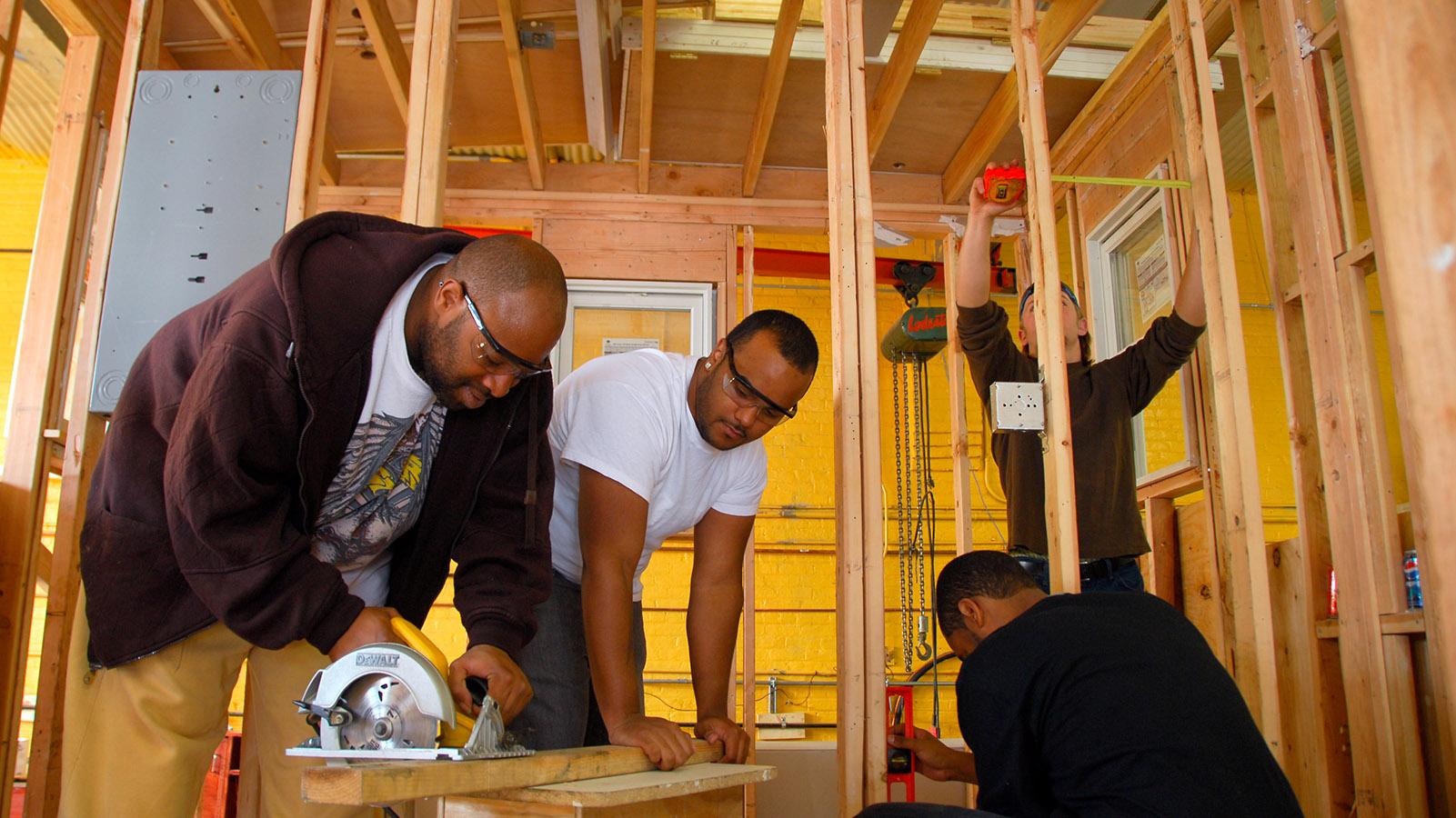
Facilities Management: A Skilled Trade with Strong Career Potential
Every building you enter—be it a bustling school, a quiet office, a busy hospital, or ...
Read More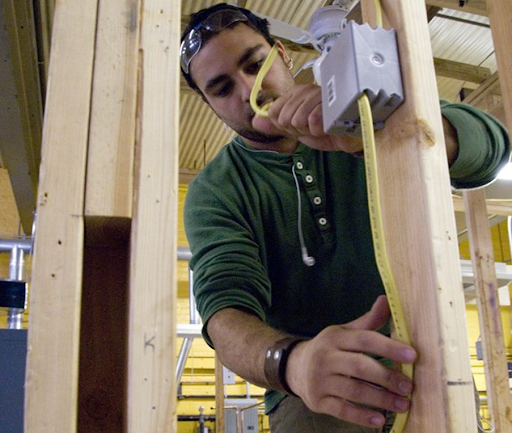
Illuminating Futures: Eastwick College’s Electrician Apprenticeship Program
The demand for skilled electricians continues to grow, making it one of the most stable ...
Read More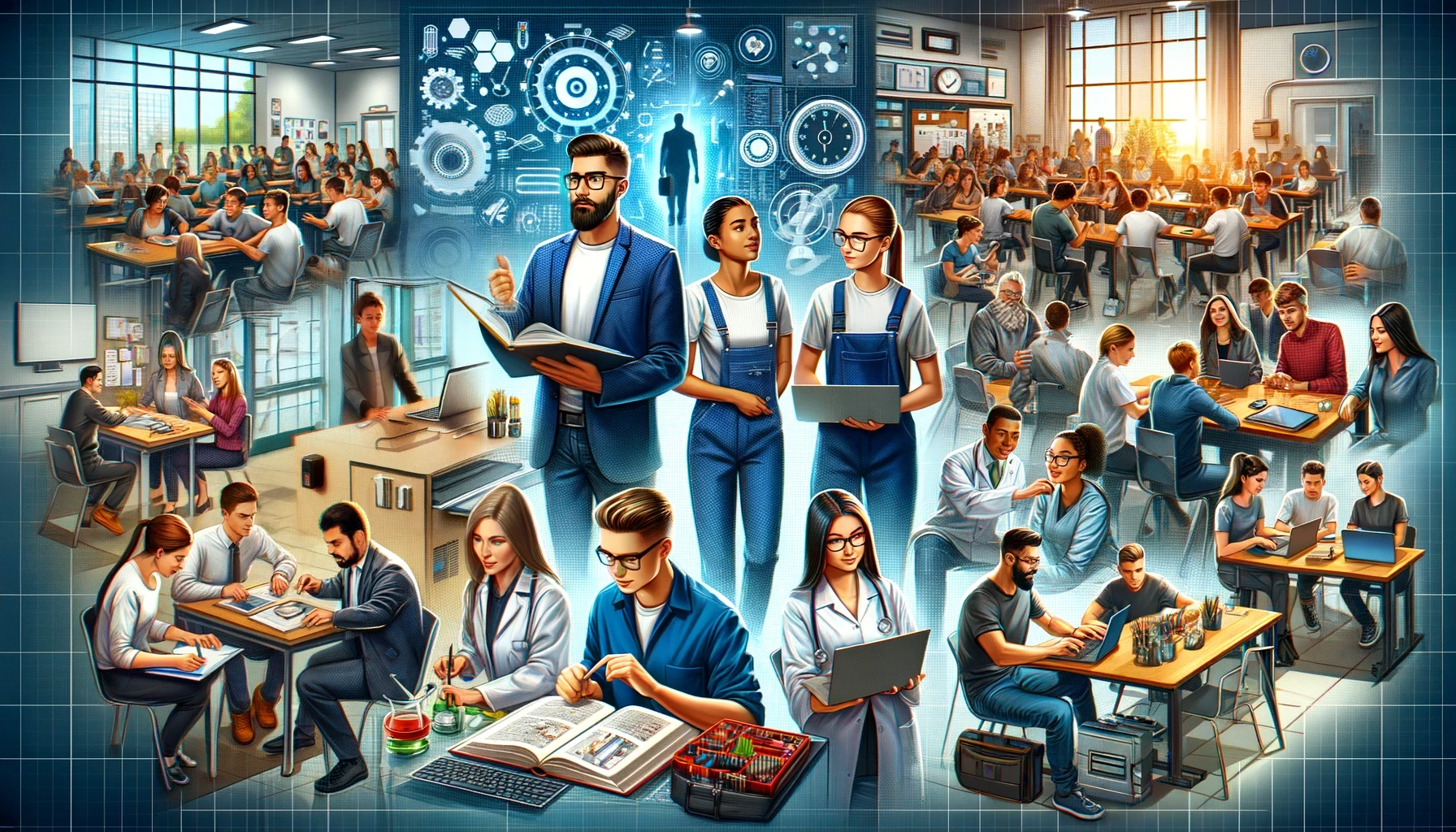
Transform Your Future: Discover the Possibilities at Eastwick College
Are you ready to take the next step towards a brighter future? Eastwick College in ...
Read More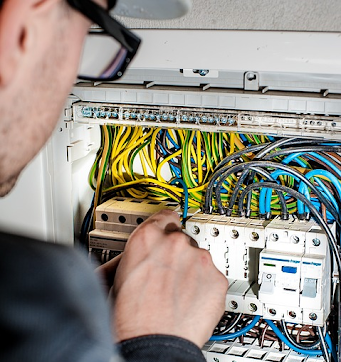
Begin Your Electrician Apprenticeship with Eastwick College
At Eastwick College, we offer a wide range of programs and classes to help students ...
Read More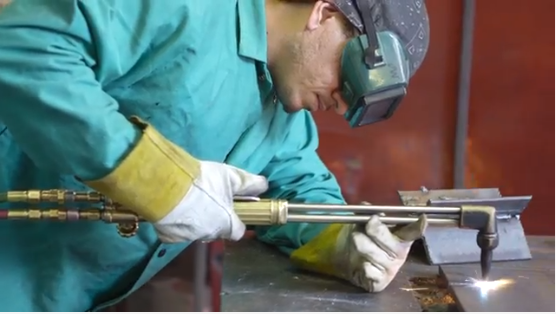
Top Careers for 2020: Why 2020 is the Year of the Trade
In the United States, going to college, getting a degree, and proceeding to get a ...
Read More
Diploma Programs That Can Be Completed in Under 1 Year
Are you ready to go back to school and advance your future career, but also ...
Read More
Taking Control of Your Future with a New Career in 2019
If you’ve been considering making a career change, there is no better time to do ...
Read More