

Help improve lives with a career as a registered nurse (BSN)
- Study close to home at our campus in Ramsey, Hackensack, and Nutley
- You may be able to graduate in less time than you think, depending on previous credits and experience
If you’re interested in starting on a nursing career path or you’re an LPN or RN looking to advance your career, you should know that an important credential is an education. As a successful nurse, the stronger your educational background, the faster you’re able to move up the professional ladder. Having a Bachelor of Science in Nursing, BSN, is key to obtaining more career and salary opportunities.
Professional nursing education is grounded in science, mathematics, and the humanities. Your courses will focus on these subjects, which are the foundation for any nursing practice. Throughout the program, you will use critical thinking and data analysis skills to provide person and family-centered outcome-based care for individuals with complex healthcare needs across the lifespan and health-illness continuum. After completing the program, you will be eligible to take the NCLEX-RN examination to be licensed as a registered professional nurse (RN).
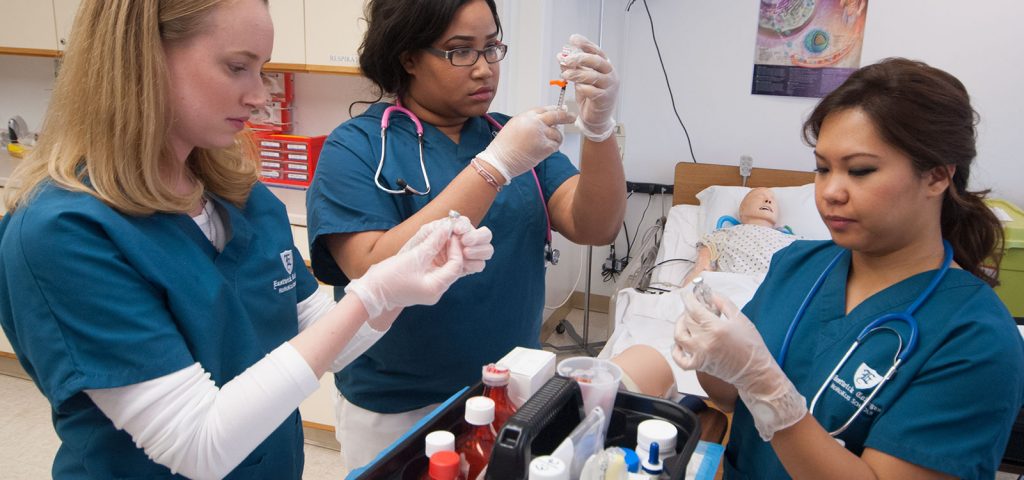
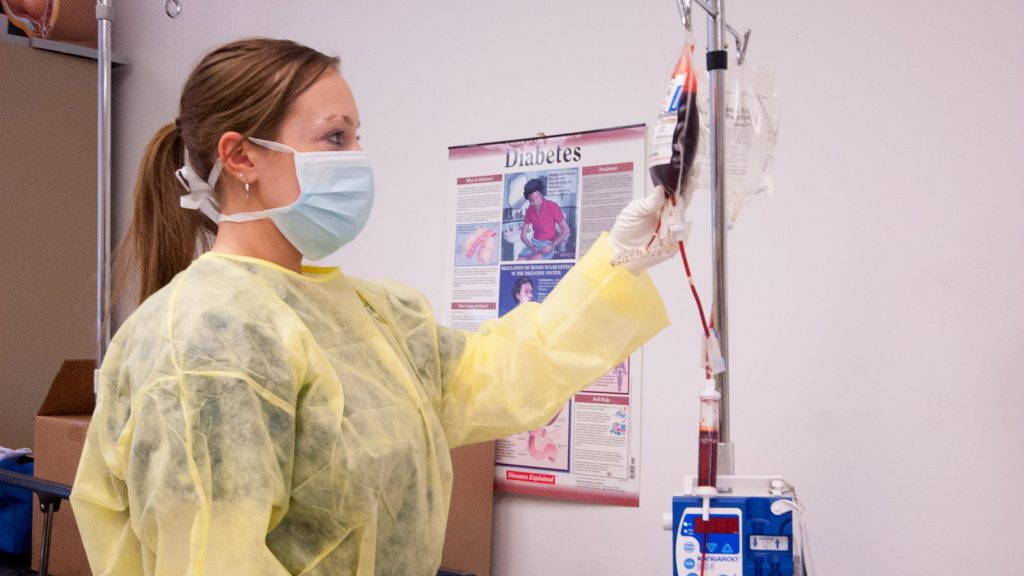
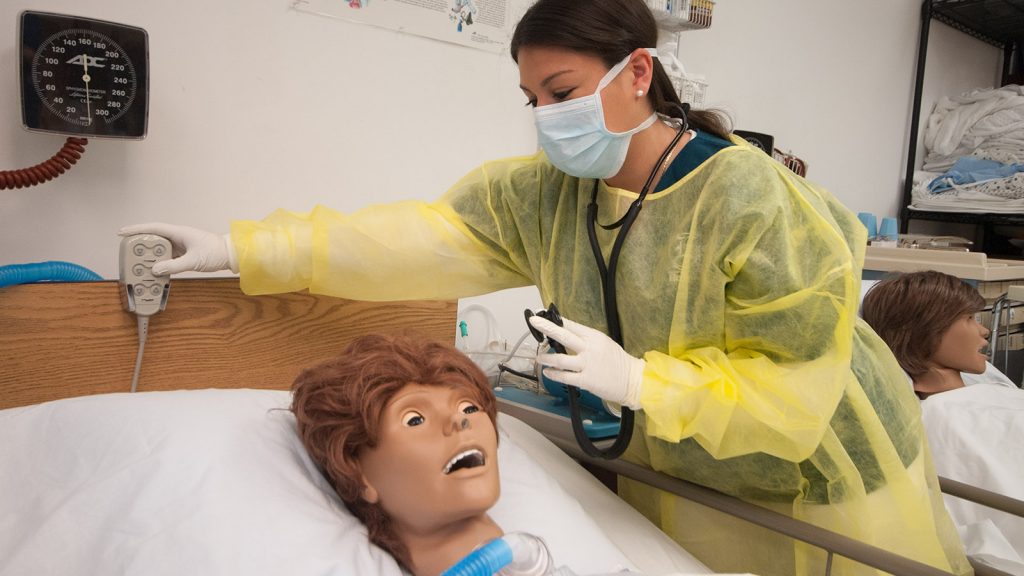
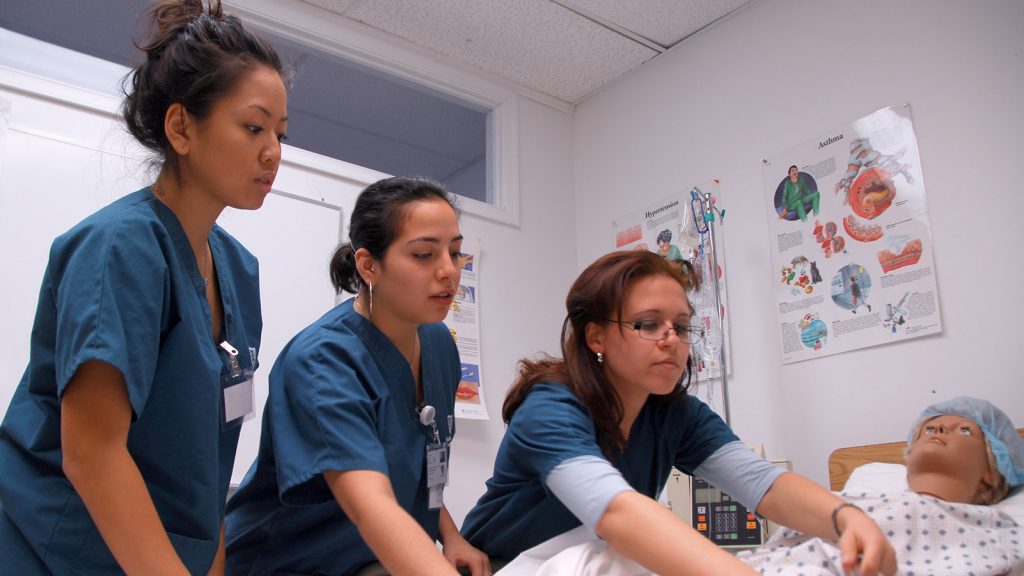
As a student in the BSN program, you’ll study in a fully equipped hospital laboratory setting, including high-tech patient simulators that feature sophisticated vital signs such as respirations and pulse. You will also gain hands-on experience during clinical rotations at local hospitals, included as part of your schedule. Current licensed Registered Nurses will have a shortened and direct path to obtaining a BSN.
Restart Plan for Nursing Programs
FAQs: Bachelor of Science in Nursing
In New Jersey, the process is clear but detail matters. You complete a nursing program approved by the New Jersey Board of Nursing, pass the NCLEX RN, and finish required training tied to patient safety. After that, you submit your application to the state board. Most delays happen with paperwork, so staying ahead of deadlines helps.
New Jersey does not have a BSN in 10 law like New York. You can practice as an RN with an associate degree. That said, many hospitals prefer or eventually require a bachelor’s degree, especially for advancement or specialty roles.
Evidence points that way. Hospitals with more BSN prepared nurses tend to report stronger safety outcomes and better coordination of care. The difference often comes from added training in leadership, population health, and clinical decision making, not just technical skills.
State approval comes first. After that, look closely at how the program balances classroom learning with real clinical time. Solid coverage of anatomy, pharmacology, health assessment, and leadership matter as well as where and how clinical rotations are handled.
Most students start with FAFSA to see what federal grants and loans are available. Some also look into Nurse Corps, which can help with tuition if you agree to work in an area with high need after graduation. New Jersey also offers state based aid and scholarships aimed at strengthening the nursing workforce.
Program Gallery

Program Video
Related Articles
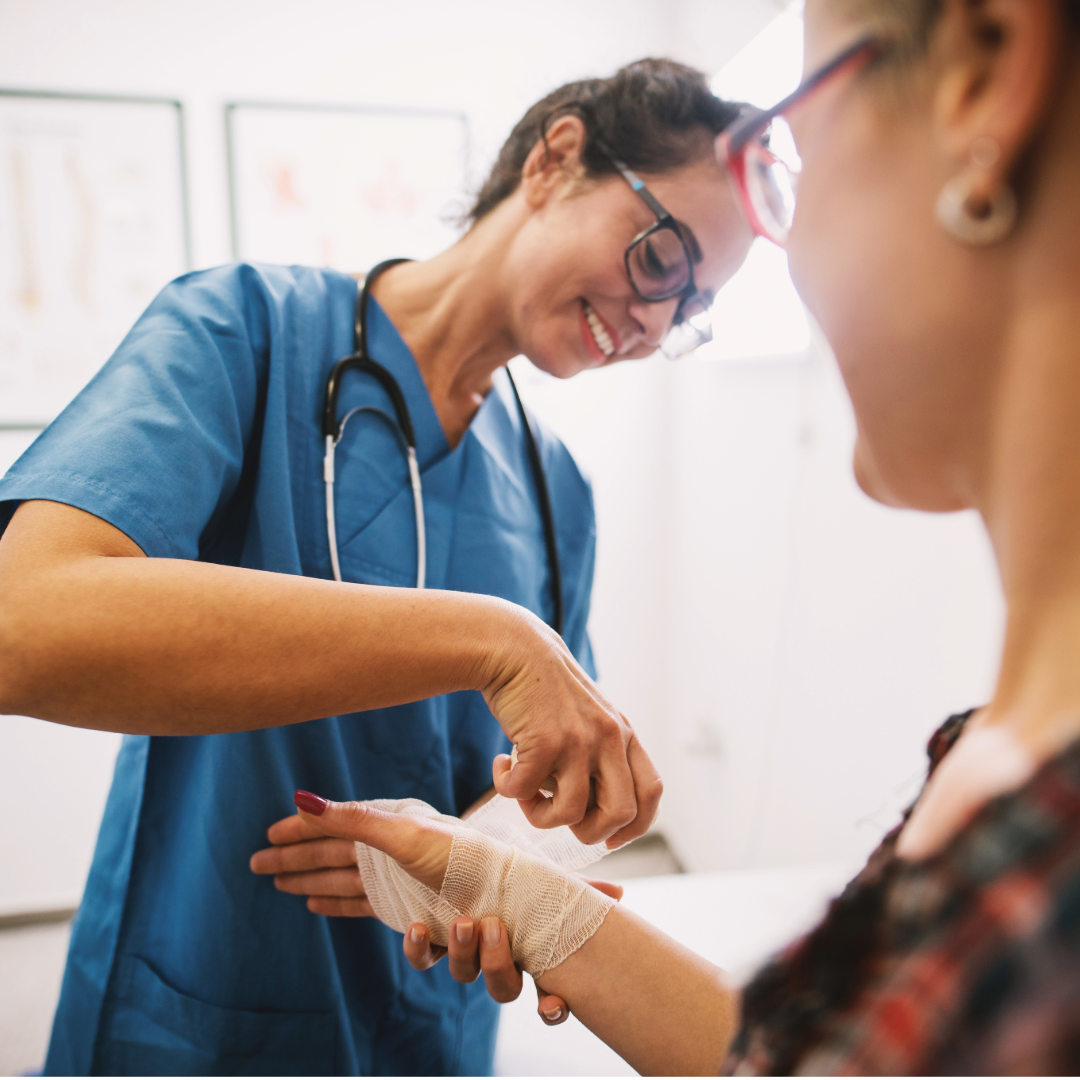
Exploring Diverse Medical Career Pathways at Eastwick College
The healthcare landscape stands as one of the most critical pillars of our society, ensuring ...
Read More
Transform Your Future: Discover the Possibilities at Eastwick College
Are you ready to take the next step towards a brighter future? Eastwick College in ...
Read More
Steps to Success: Navigating the Nursing Admissions Process at Eastwick College
Pursuing a career in nursing is a commendable and rewarding choice, and Eastwick College is ...
Read More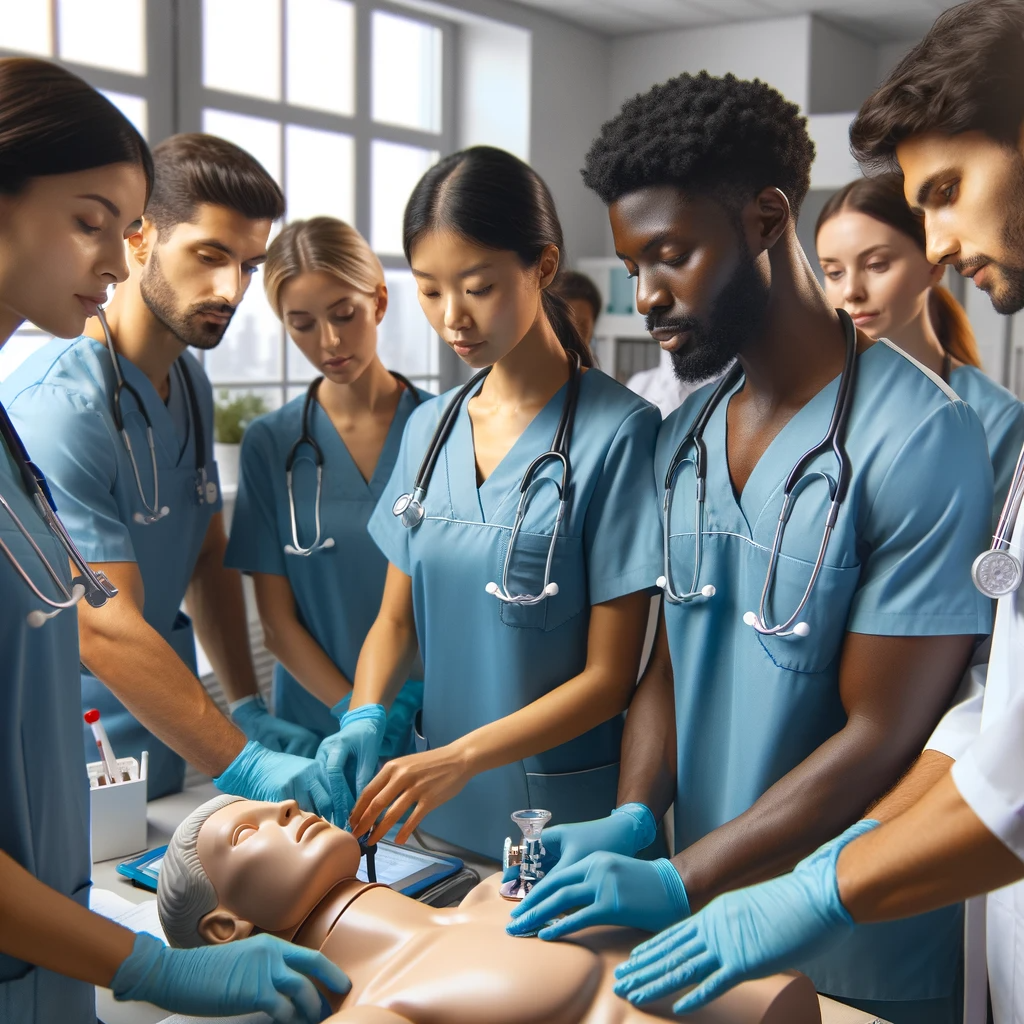
The Journey to a Rewarding Career: Eastwick College’s Bilingual Licensed Practical Nursing Program
Embracing Diversity in Healthcare: Eastwick College’s Innovative Approach In today’s globalized world, the demand for ...
Read More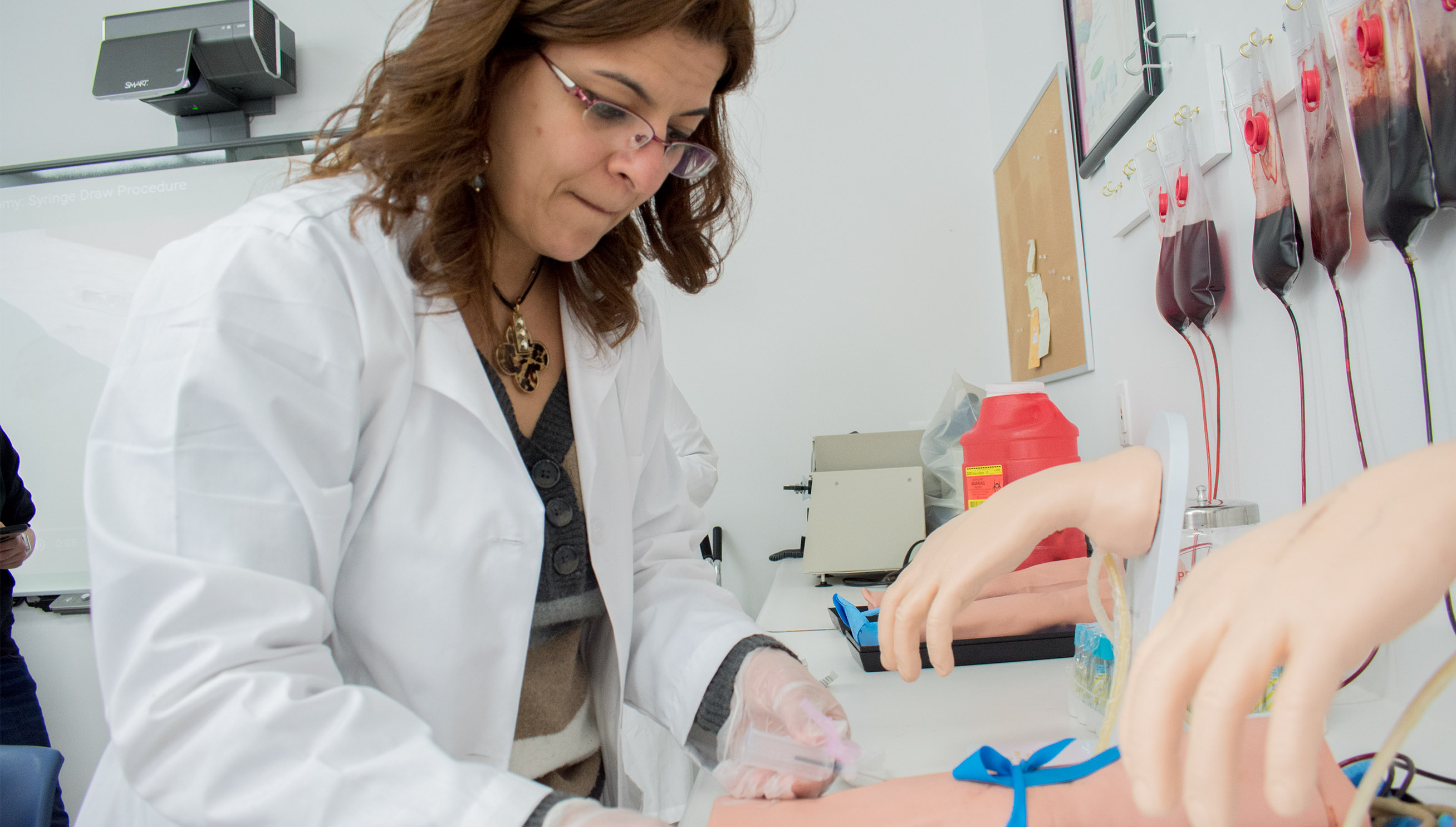
Medical Assisting: Initial Step in a Healthcare Career Path
Having a career in healthcare is one of the most exciting and in-demand occupations in ...
Read More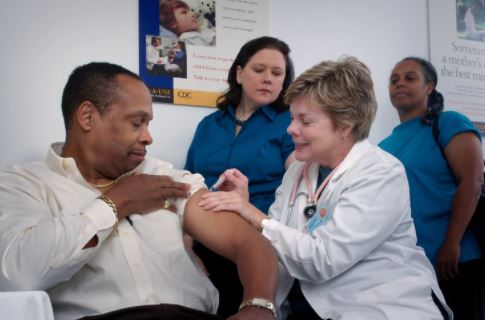
The Benefits of Becoming a Bilingual Licensed Practical Nurse (BLPN)
The road to becoming a Bilingual Licensed Practical Nurse (BLPN) might be challenging but knowing ...
Read More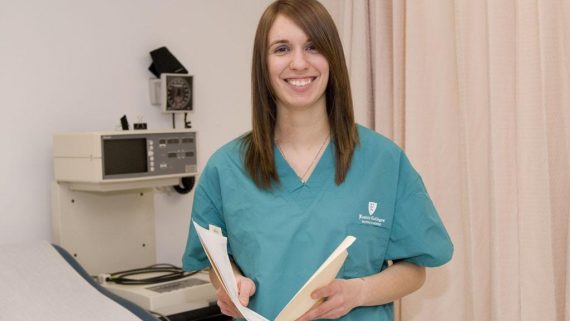
How to Have a Career in the Medical Field in a Year or Less
Contrary to popular belief, it is possible to get a degree without spending 2 to ...
Read More
Diploma Programs That Can Be Completed in Under 1 Year
Are you ready to go back to school and advance your future career, but also ...
Read More